
Excellence in outreach recognized with 2026 Bassam Z. Shakhashiri Public Science Engagement Award
By Natasha Kassulke, natasha.kassulke@wisc.edu
Ahna Skop, professor in the Departments of Genetics and Medical Genetics, and Anne Lynn Gillian-Daniel, distinguished teaching faculty III and director of education/outreach in the Materials Research Science and Engineering Center, have received the Bassam Z. Shakhashiri Public Science Engagement Award.
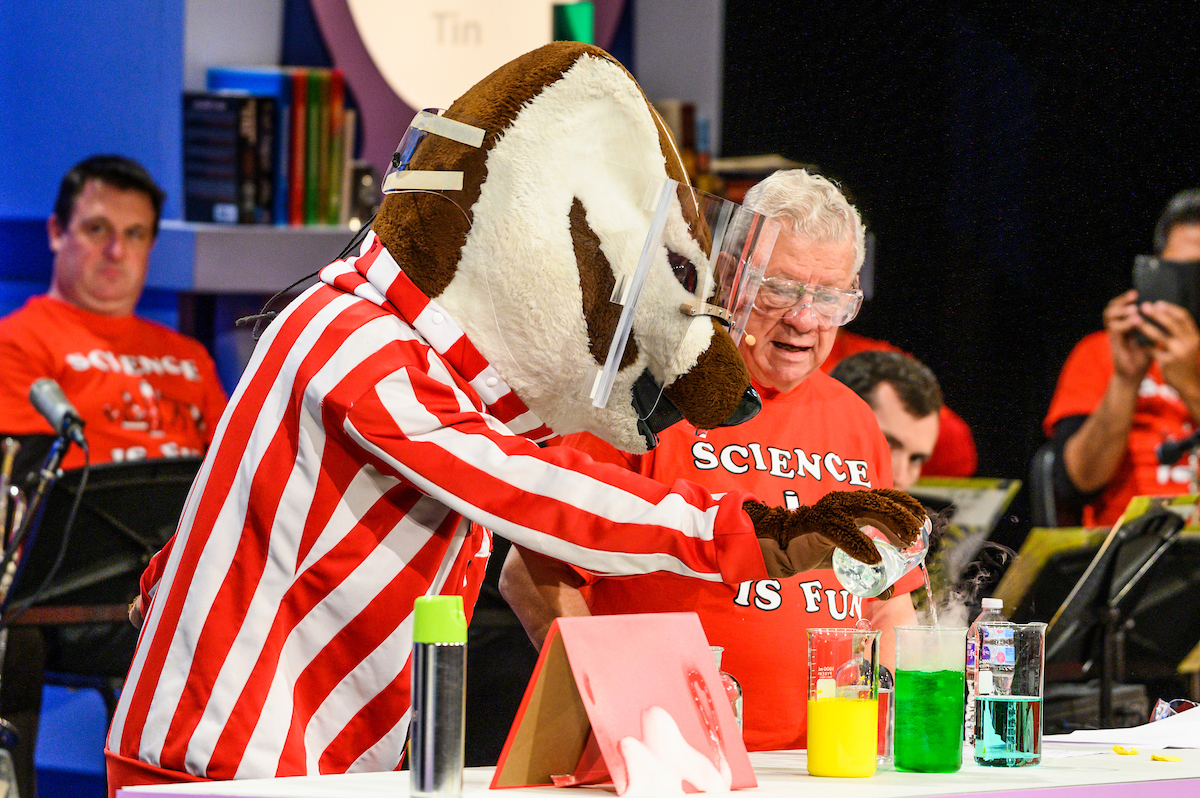
Bassam Z. Shakhashiri
The award, in its fourth year, is named for Bassam Z. Shakhashiri, emeritus professor of chemistry and the William T. Evjue Distinguished Chair for the Wisconsin Idea, in honor of his “Science is Fun” philosophy and long-term commitment to science education and public engagement. The award recognizes one University of Wisconsin–Madison faculty and one academic staff member who have shown excellence in engaging the public in STEAM (Science, Technology, Engineering, Arts and Math) research.
This award is supported by the UW–Madison’s Office of the Vice Chancellor for Research, the Wisconsin Alumni Research Foundation and the Morgridge Institute for Research.
“This year’s awardees, Ahna and Annelynn, are truly inspiring. They are finding creative ways from improv to baking and massive art installations, to make STEAM outreach more accessible furthering the Wisconsin Idea and inspiring the next generation of researchers,” says Dorota Brzezinska, vice chancellor for research.
“I join in offering my congratulations to this year’s awardees,” says Shakhashiri. “Our scholarly research satisfies our curiosity, and we enjoy it. However, we have a responsibility to serve society. We must succeed in enabling people to make informed choices, to be skeptical, and to reject shams, quackery, unproven conjecture, and to avoid being bamboozled into making foolish decisions where matters of science and technology are concerned. Ahna and Annelynn are exemplars in advancing The Wisconsin Idea, the university’s commitment to public service, and fulfilling our responsibility to advance knowledge and serve society.”
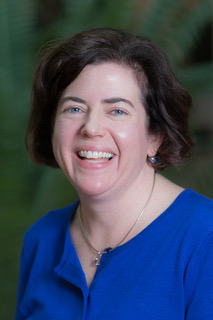
Anne Lynn Gillian-Daniel
Anne Lynn Gillian-Daniel (Academic Staff Awardee)
“It’s really important to me that everyone feels like science and engineering are for them and they can engage with it in whatever way is comfortable; therefore, we work to reach people who may not have many opportunities to come to a campus like ours and experience all the cool science and engineering happening here,” says Gillian-Daniel. “I’m honored to receive an award that recognizes the importance of public science engagement and honors Professor Shakhashiri who made chemistry accessible to so many people.”
Gillian-Daniel has been the Director of Education and Outreach for the NSF-funded Materials Research Science and Engineering Center (UW-MRSEC) since 2012 and a Faculty Professional Development Co-lead in the College of Engineering since 2023.
Gillian-Daniel received a bachelor’s degree of in chemistry from the University of Michigan and a doctorate in biochemistry from the UW–Madison. In the College of Engineering, Gillian-Daniel leads workshops for faculty on topics such as effective mentoring and inclusive hiring practices. Within the MRSEC, she works with Center members to engage public audiences with materials science and engineering through the development and dissemination of activities inspired by the Center’s research advances.
Additionally, Gillian-Daniel worked to broaden participation of underrepresented groups in materials science and engineering as the education lead for the NSF-funded Wisconsin/Puerto Rico Partnership for Research and Education in Materials (WiPR2EM) where she worked with faculty, students, teachers and public audiences in Puerto Rico to expand awareness of and interest in science and engineering careers.
Gillian-Daniel leveraged her personal interest in food security to form partnerships with local food pantries that enable the MRSEC to disseminate science activities to families who are economically disadvantaged. She has also used her improvisational theater experience to co-develop and teach an improv-based science communication practicum for UW graduate students and postdocs to help them hone their verbal communication skills.
Due to broad interest in this topic, she adapted a subset of the course content into several different workshops that she has led at UW, other universities, professional societies, and other non-profit organizations across the country.
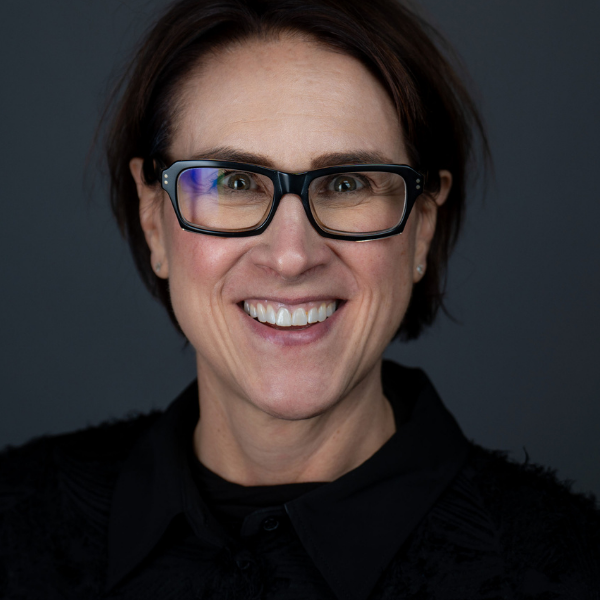
Ahna R. Skop
Ahna Skop (Faculty Awardee)
“I’m absolutely honored to receive this award,” says Skop. “Public engagement through science cakes, art installations, coloring books, and tactile models has been a joyful extension of my lab work, making complex cell biology accessible and fun for diverse audiences, much like Professor Shakhashiri’s ‘Science is Fun’ philosophy that has always inspired me.”
Skop is a Professor of Genetics with affiliate appointments in Cell and Regenerative Biology, Life Science Communication, and Division of the Arts. She is CEO/Chief Scientific Officer of aMBR Genomics, a Madison-based biotech startup developing midbody remnant biomarkers for early cancer detection, and she combines groundbreaking research in cell division with innovative public science engagement and translational entrepreneurship.
Skop received a bachelor’s degree in biology, minoring in ceramics from Syracuse University. She received a doctorate in cell and molecular biology from UW–Madison.
Current grants include a NIH grant for altered transfer of cell fate determinants via the midbody remnant in autism spectrum disorder.
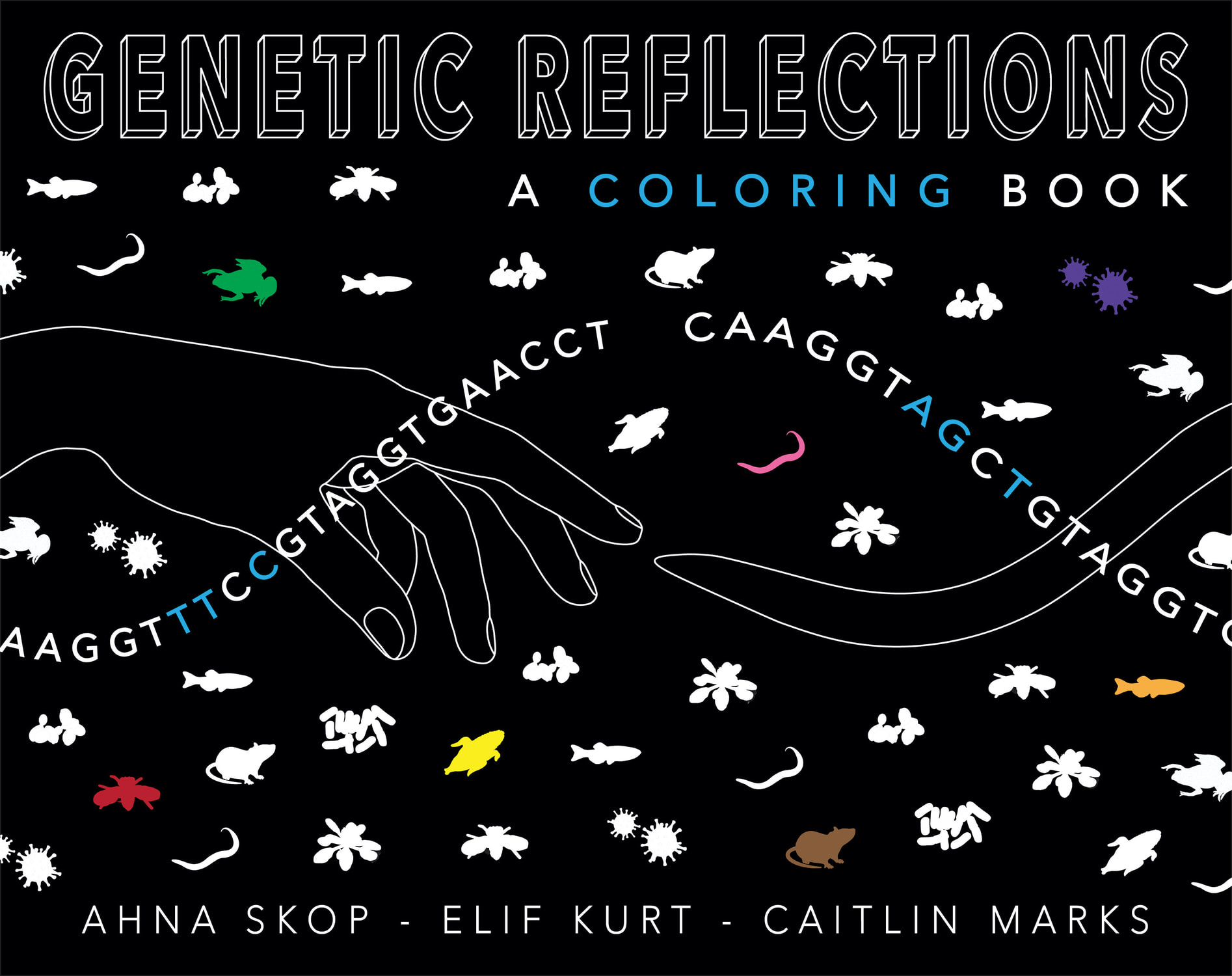
Genetic Reflections – A Coloring Book aims to inspire young students and the public to explore the beauty of science and genetics. The beauty of our world, even on the cellular level, is apparent. This book is a collaboration between Ahna Skop, Elif Kurt and Caitlin Marks; two UW-Madison undergraduate Skop Lab members. It is the outcome of a year-long independent study in Life Sciences Communication with goals to broadly disseminate the Genetic Reflections scientific glass art installation created by Angela Johnson and Ahna Skop. Part of the proceeds of this book will be donated to charities and programs that support STEAM (Science, Technology, Engineering, Arts, and Mathematics) educational innovations or public outreach events. The book is available at Amazon (print) or on Blurb (digital version)
She is the author of Lab Culture: A Recipe for Innovation in Science (2025), a cookbook featuring over 120 scientists worldwide that bridges science and culture, and Genetic Reflections: A Coloring Book (2020), which makes genetics accessible to young audiences.
Skop’s newest initiative, Tactile Mitosis, creates soft-sculpture models and tactile puzzle games to make cell biology accessible to the Blind and Low Vision (BVI) community, addressing systemic barriers that exclude BVI individuals from STEM careers with support from the Center for Healthy Minds. Developed in partnership with BVI teachers and students, these kits will be distributed to schools and museums throughout Wisconsin.
A pioneer in art-science integration, Skop and her art student, Angela Johnson, created the 40-foot “Genetic Reflections” installation in the UW-Madison Biotech Center, she has helped curate the “TINY: Art from Microscopes” exhibition, and has organized the Worm Art Show at international conferences for over 28 years. Her science cakes, featured on social media (@foodskop) have become beloved tools for teaching complex concepts.
Her honors include the Presidential Early Career Award for Scientists and Engineers (PECASE, 2006), ASCB Prize for Excellence in Inclusivity (2018), Chancellor’s Inclusive Excellence Award (2016), UW Distinguished Teaching Award (2016), and Wisconsin Academy Fellow (2024).
“Public support of scholarly research and education in all areas is facing what some have characterized as a perilous threat. We should connect properly with elected officials at all levels, with current and future voters, and with everyone outside our own highly specialized areas and in outreach efforts across various audiences and on multiple platforms,” Shakhashiri says. “I urge UW-Madison faculty, staff and students to engage with each other, and more importantly, with the public-at-large in respectful discourse on significant societal issues related to science, politics, the economy, the arts, the humanities, technology and ethics.”