
Faculty receive 2026-27 WARF Named Professorships, Kellett Fellowships, and Romnes Awards
Forty-two UW–Madison faculty have been awarded fellowships from the Office of the Vice Chancellor for Research (OVCR) for 2026-2027. The awardees span the four research divisions on campus: arts and humanities, physical sciences, social sciences and biological sciences.
“WARF Named Professorships, Kellett Fellowships, and Romnes awards represent some of the most meaningful investments in the people who drive discovery at UW–Madison,” says Dorota Brzezinska, vice chancellor for research. “These prestigious honors provide researchers with the recognition, flexibility, and support needed to pursue bold ideas, advance groundbreaking scholarship and address society’s most pressing challenges. Just as importantly, they affirm the university’s commitment to fostering excellence and empowering faculty to lead in their fields, inspire the next generation of scholars, and extend the Wisconsin Idea through research that benefits the world.”
The awards are possible due to the research efforts of UW–Madison faculty and staff. Technology that arises from these efforts is licensed by the Wisconsin Alumni Research Foundation and the income from successful licenses is returned to the OVCR, where it’s used to fund research activities and awards throughout the divisions on campus.
WARF NAMED PROFESSORSHIPS
Eight faculty have been awarded WARF Named Professorships, which come with $100,000 and honor faculty who have made major contributions to the advancement of knowledge, primarily through their research endeavors, but also because of their teaching and service activities. Award recipients choose the names associated with their professorships.
 Silvia Cavagnero, James C. Weisshaar Professor of Chemistry, received a Chemistry “Laurea” at La Sapienza University (Rome, Italy). She then moved to the U.S. as a Fulbright Scholar and earned Chemistry Masters and PhD degrees from the University of Arizona-Tucson and the California Institute of Technology (Caltech). At Caltech, she worked with Sunney Chan on the exceptional thermal stability of hyperthermophilic proteins. She did a postdoc at the Scripps Research Institute with Peter Wright investigating the atomic-resolution mechanism of in vitro protein folding. In 2000, she joined the Chemistry Faculty at the UW–Madison, where she rose to the ranks and became Full Professor in 2010. Cavagnero’s research targets the early stages of protein 3D-shape formation in the cell, including the role of intramolecular dynamics, the ribosome and molecular chaperones. She explores both fundamental aspects and implications for bacterial and human disease. Cavagnero is also a technique developer and pioneers optically enhanced approaches to increase the sensitivity of nuclear magnetic resonance. She is the Associate Director of the UW–Madison Biophysics Program and Co-Director of the NIH-T32 Training Grant in Molecular Biophysics. She develops graduate and undergraduate courses in bioenergetics and spectroscopy/microscopy and is a strong advocate of mentorship and early student exposure to undergraduate/graduate research.
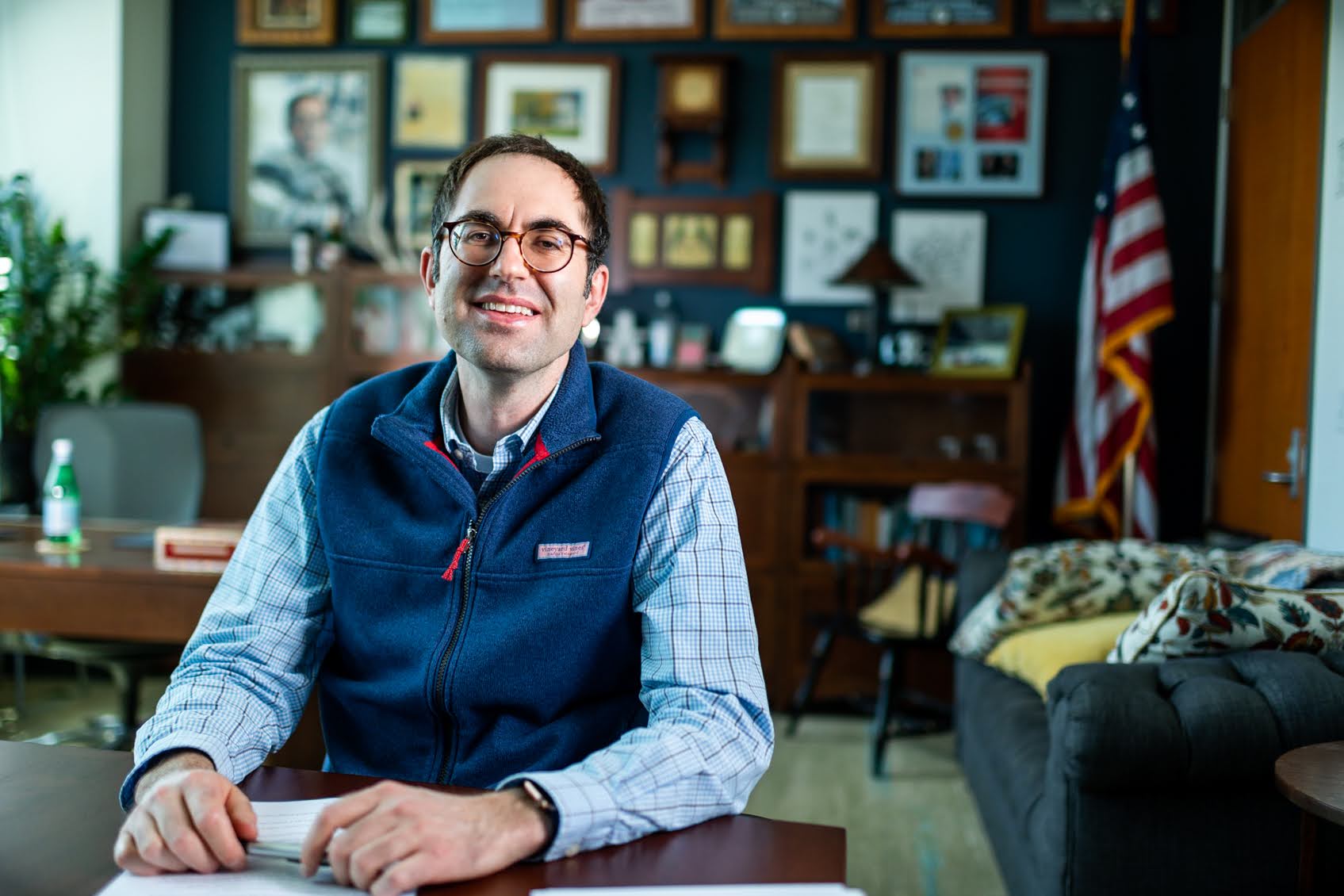 Joshua J. Coon, John E. P. Syka Professor of Biomolecular Chemistry and Chemistry, holds the Thomas and Margaret Pyle Chair at the Morgridge Institute for Research. He is Director of the NIH-funded National Center for Quantitative Biology of Complex Systems, where he leads a strategic effort to disseminate next-generation measurement technologies to the biomedical community. Coon is an international authority in mass spectrometry whose work bridges fundamental chemical instrumentation development with transformative biological discovery. He is best known for the co-invention and development of Electron Transfer Dissociation tandem mass spectrometry, a technology that revolutionized the characterization of proteins and their post-translational modifications, and Parallel Reaction Monitoring, a cornerstone method in targeted proteomics. His recent work pioneers the integration of mass spectrometry with cryo-electron microscopy through matrix-landing, opening entirely new avenues for structural biology. With over 400 peer-reviewed publications and over 40,000 citations, his laboratory’s research spans instrumentation, proteomic methodology, metabolomics, lipidomics and complex systems biology. He holds over 50 patents and is the co-founder of CeleramAb Inc., a biotechnology company dedicated to the rapid characterization of biotherapeutics. Coon’s impact has been recognized with numerous prestigious awards, including the ASMS Biemann Medal, the HUPO Discovery in Proteomic Sciences Award, the ACS Chemical Instrumentation Award, the Pittcon Analytical Chemistry Award, and the US HUPO Donald F. Hunt Distinguished Contribution in Proteomics Award. He is a passionate educator and mentor, directing the North American Mass Spectrometry Summer School and training dozens of scientists who now hold leadership roles globally.
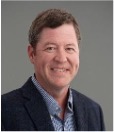 Daniel Jackson, Robert F. Lemanske, Jr. Professor of Pediatrics, received his MD from the University of Wisconsin School of Medicine and Public Health in 2003 and completed his pediatric residency at the University of California, Davis. Dr. Jackson returned to the UW for his allergy and immunology fellowship and then joined the faculty in 2010. His research program focuses on the inception, exacerbation, and treatment of childhood asthma and allergic disease with a long-term goal of disease modification and prevention. Since 2020, Dr. Jackson has led the National Institute of Allergy and Infectious Diseases’s Inner City Asthma Consortium and Childhood Asthma in Urban Settings Research Network, which focuses on improving outcomes for high-risk urban children, who suffer disproportionate incidence, morbidity and mortality from asthma. He has designed and led innovative clinical trials that have played an integral role in shaping the management of childhood asthma, making seminal contributions by integrating mechanistic investigations into observational and interventional trials to establish novel insights into disease pathogenesis and responses to therapy. These studies have provided a foundation for precision therapy and prevention of asthma in children. Dr. Jackson was elected to the Collegium Internationale Allergologicum in 2023 and the American Society for Clinical Investigation in 2024.
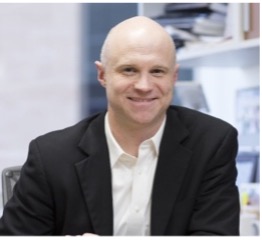 William Murphy, Cathy A. Rasmussen Professor of Biomedical Engineering and Orthopedics and Rehabilitation, also holds the Harvey D. Spangler Professorship in Biomedical Engineering. He received a bachelor’s degree in physics and mathematics from Illinois Wesleyan University, a PhD in biomedical engineering from the University of Michigan, and a postdoctoral fellowship in chemistry from the University of Chicago. Over the past 22 years at UW–Madison his research group has developed new classes of biomimetic materials inspired by nature, and used their materials to engineer new medical devices, human cells, and human tissues. He has authored over 200 publications, filed over 50 patents, and co-founded 4 start-up companies. Murphy was co-director of the UW Stem Cell and Regenerative Medicine Center from 2011 until 2018 and founding director of the Forward BIO Institute from 2018-2025. Since 2025 he has served as founding director of the Badger Tech Foundry, which catalyzes innovation in research, entrepreneurship and training, and pushes groundbreaking technologies out of academia and into the private sector. He is an inducted member of the National Academy of Inventors and an elected fellow of the Biomedical Engineering Society and the American Institute for Medical and Biological Engineering. Murphy has trained over 50 PhD students and postdoctoral fellows who have gone on to impactful careers in academia, medicine, and the biotech industry.
 Seth Pollak, Steenbock-Russell-Slichter Professor of Psychology, is the Vaughan Bascom Professor of Psychology and an investigator at the Waisman Center. His research seeks to understand how children’s social experiences shape emotional, cognitive, and biological development, with a particular focus on the ways that environmental influences affect learning, mental health, and well-being. His research explores how children adapt to different life circumstances and how early experiences become embedded in developing brain and behavioral systems. Pollak joined the UW–Madison faculty in 1997. Over the course of his career, he has worked with colleagues across disciplines to advance knowledge about child development and to inform efforts that support children and families. Through research, teaching, and mentorship, he remains committed to understanding the factors that promote healthy development across childhood.
 David Williamson Shaffer, Ada Lovelace Professor of AI and Education, is the Sears Bascom Professor of Learning Analytics and the Vilas Distinguished Achievement Professor of Learning Sciences in the Department of Educational Psychology, a Data Philosopher at the Wisconsin Center for Education Research, and Director of the Center for Research in Complex Thinking. His MS and PhD are from the Media Laboratory of the Massachusetts Institute of Technology. He is a Fellow in the International Society for Learning Sciences, the Founding Editor-in-Chief of the Journal of Quantitative Ethnography, and a Member of the National Academy of Education. Shaffer joined UW–Madison as an Assistant Professor in the Educational Psychology Department in 2001, became an Associate Professor in 2006 and Full Professor in 2008. At UW, Shaffer did foundational work in the field of games and learning, culminating with the book How Computer Games Help Children Learn (2007). His book Quantitative Ethnography (2017) became the basis of a field that merges AI, statistical, and qualitative methods to build fair models of complex human activity. His current work explores how the partnership between human and machine is reshaping what it means to think and learn.
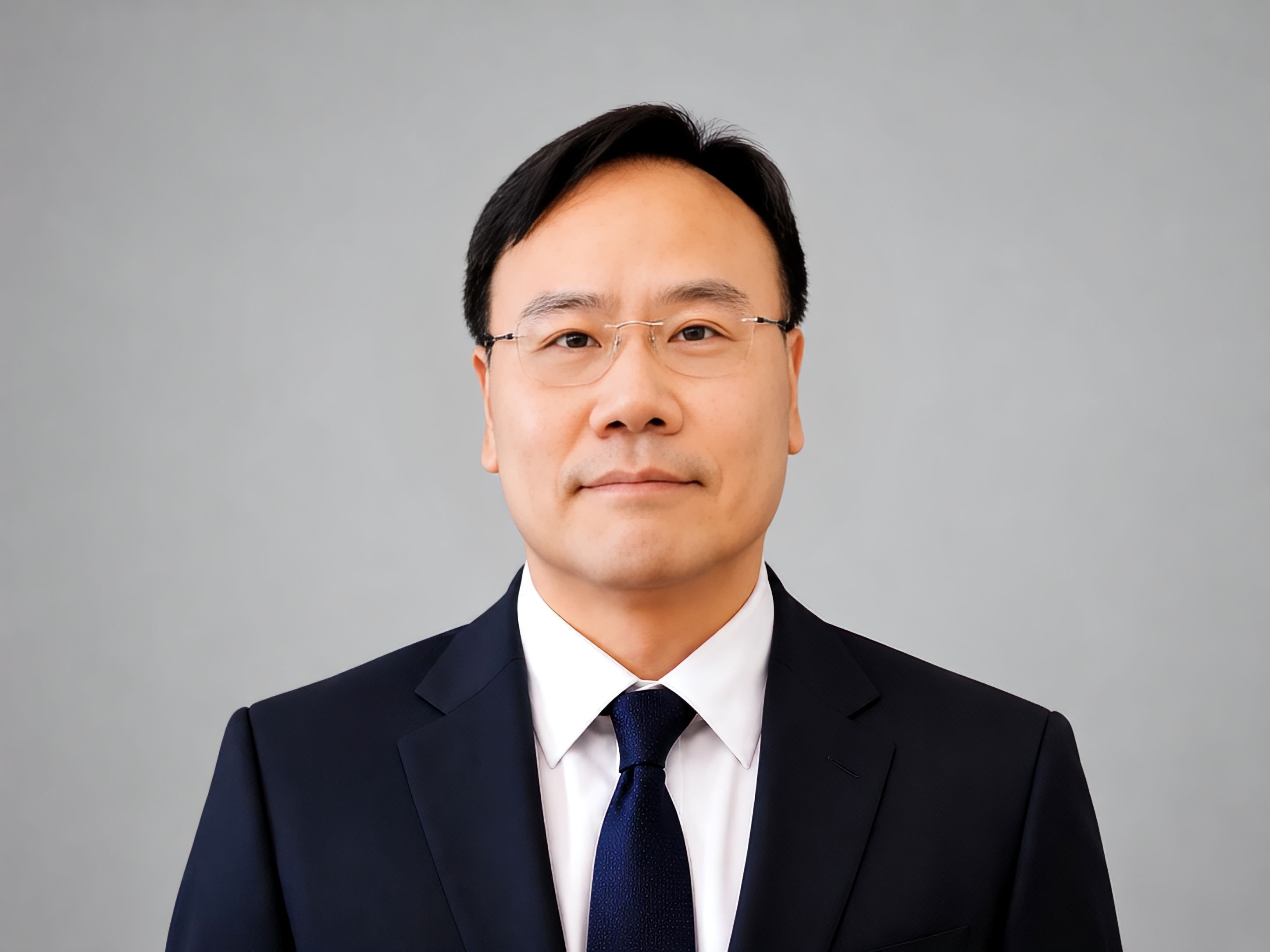 Gary Shiu, Paul Dirac Professor of Physics, received his BS in Physics from the Chinese University of Hong Kong in 1993 and his PhD in Physics from Cornell University in 1998. Following postdoctoral appointments at the C.N. Yang Institute for Theoretical Physics and the University of Pennsylvania, he joined the Wisconsin faculty in 2002 as the inaugural member of the Mathematical Physics–String Theory Cluster. Shiu’s research focuses on one of the central challenges in modern physics: unifying quantum mechanics and gravity into a consistent framework for understanding nature. His work seeks to extend the quantum revolution pioneered by Dirac and his contemporaries to the realm of gravity, where the foundations of space, time, and the universe remain to be understood. Spanning string theory, particle physics, cosmology, and artificial intelligence, he has made pioneering contributions to string phenomenology, the physics of the early universe, dark energy, and quantum gravity, shaping how experiments and observations probe fundamental theory. At UW–Madison, Shiu has played a leading role in building a world-class program in theoretical physics. His research frequently bridges mathematics and physics, and through his scholarship, teaching, and mentorship he has helped train a generation of scientists working at the frontiers of fundamental physics.
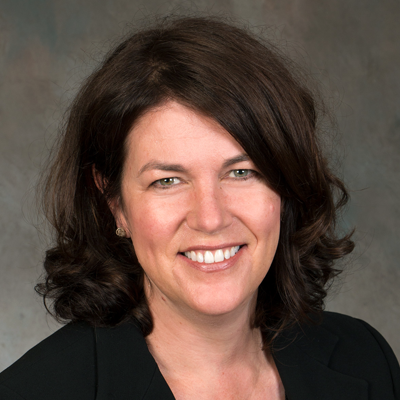 Susan L. Thibeault, is the Steven D. Gray Professor of Otolaryngology Head and Neck Surgery and holds the Endowed Diane Bless Chair at UW–Madison. She earned her PhD from UW–Madison and served on the faculty at the University of Utah before returning to UW–Madison in 2006, where she holds joint appointments in the Departments of Otolaryngology Head and Neck Surgery and Communication Sciences and Disorders. Thibeault’s translational research career has centered on advancing the biological understanding of the vocal folds and their vibration, with particular emphasis on vocal fold injury and wound healing. Her work has opened new avenues toward cellular therapies and tissue replacements for voice disorders that affect millions of Americans. She directs the NIDCD-sponsored T32 Training Grant in Voice Science at UW–Madison and has mentored generations of junior faculty, doctoral and postdoctoral researchers, and undergraduate students. Her research has been continuously funded by the NIH for 25 years. Among her honors, Thibeault is a past recipient of the de Roaldes Medal from the American Laryngological Association and received Honors of the American Speech-Language-Hearing Association in 2017—the organization’s highest distinction. She has also served as a member of the NIDCD Advisory Council.
H.I. Romnes Faculty Fellowship
Eighteen faculty have been honored with the H.I. Romnes Fellowships to recognize faculty with exceptional research contributions within their first six years from promotion to a tenured position. The award is named in recognition of the late WARF trustees president H.I. Romnes and comes with $60,000 that may be spent over five years.
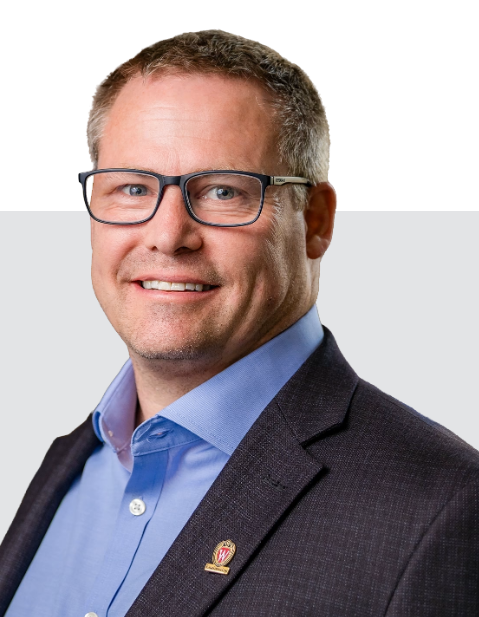 Mark H. Anderson is the Consolidated Papers Professor of Mechanical Engineering at UW–Madison, Mechanical Engineering Associate Chair for Research, and Director of the Thermal Hydraulics Laboratory. A leader in advanced energy systems, he focuses on next-generation nuclear technologies, supercritical CO₂ power cycles, thermal energy storage, heat pipes and high-temperature materials. Through 2030 and beyond, he plans to advance utility-scale and microreactor energy systems, expand sensor and manufacturing technologies for extreme environments, strengthen industry and national laboratory partnerships, and continue mentoring the next generation of energy engineers and researchers.
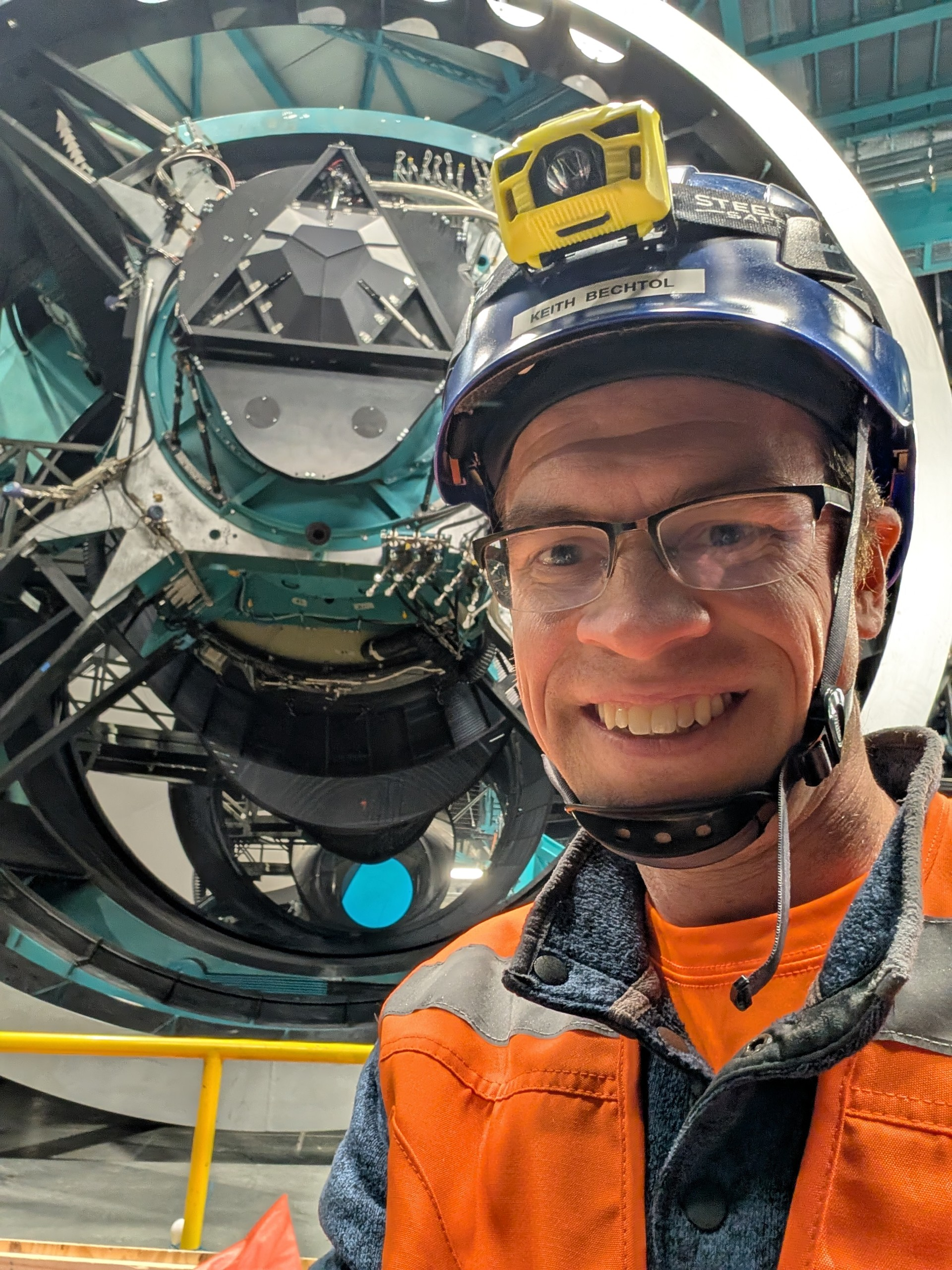 Keith Bechtol, professor of Physics (effective Aug. 17), is an observational cosmologist studying dark matter, dark energy, neutrinos and multi-messenger astrophysics. He has made leading contributions to the construction, commissioning, survey strategy, operations, data management and scientific analysis for wide-area galaxy imaging surveys including the Dark Energy (DES), NSF-DOE Vera C. Rubin Observatory Legacy Survey of Space and Time (LSST), and NASA’s Nancy Grace Roman Space Telescope High Latitude Wide Area Survey (HLWAS). Analyses by Bechtol and collaborators of the smallest and most dark-matter-dominated galaxies have produced some of the tightest constraints on the fundamental nature of dark matter, while analyses of the assembly of large-scale structure over the past 10 billion years have yielded some of the strongest constraints on dark energy. Most recently, Bechtol orchestrated the on-sky observing campaigns and data analyses to demonstrate that Rubin Observatory is ready to begin a decade of sustained LSST observations. LSST is anticipated to catalog more stars, galaxies, supernovae, and Solar System Objects in its first year of science observations than all previous astronomical telescopes combined. The resulting multipurpose dataset will be used by thousands of scientists around the world to make discoveries in cosmology (e.g., dark matter, dark energy, neutrino physics, inflation) as well as the formation of our Milky Way Galaxy and our Solar System.
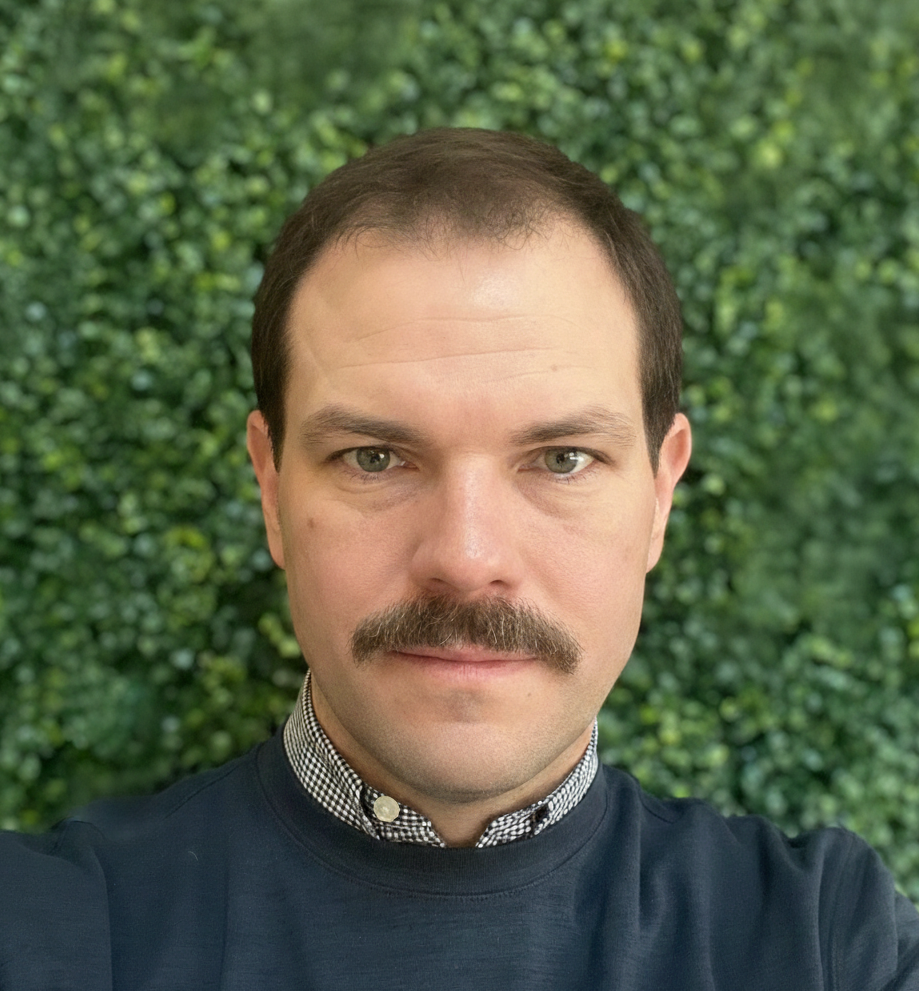 Steven Brooke is an associate professor of Political Science and faculty director of the Middle Eastern Studies Program. He researches religion and politics, social movements and political violence. His book, “Protection at the Margins: How the Catholic Church Shielded Communities from Populist Violence in the Philippine Drug War,” is forthcoming in Fall 2026.
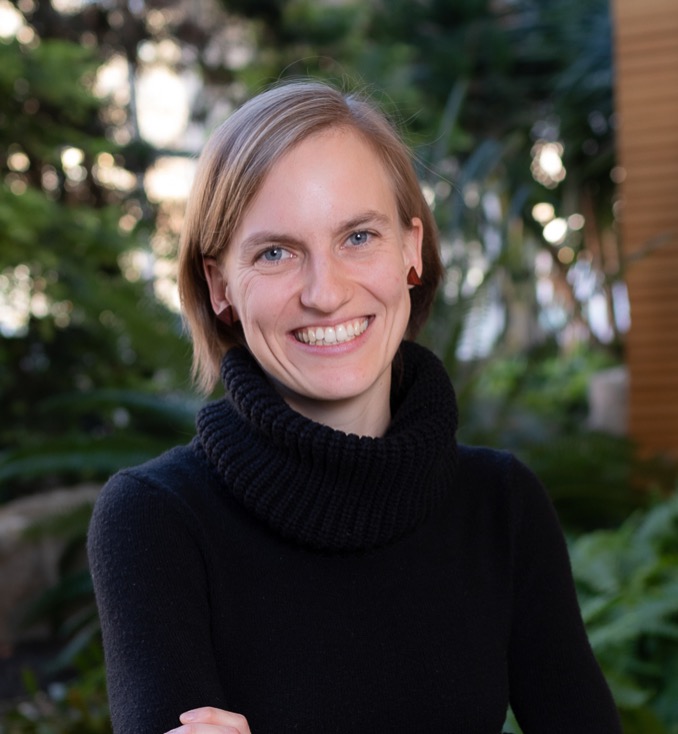 Zuzana Buřivalová, associate professor in the Department of Forest and Wildlife Ecology and Nelson Institute for Environmental Studies, a tropical forest ecologist whose lab uses bioacoustics to investigate biodiversity in tropical and temperate forests, helping conservation decisions become evidence-based. Her Soundscape Baselines Project creates acoustic time capsules of intact forests worldwide. Buřivalová’s work has shaped strategy at The Nature Conservancy and supported Gabon’s first community-conserved area. She also teaches the popular undergraduate course Forests of the World.
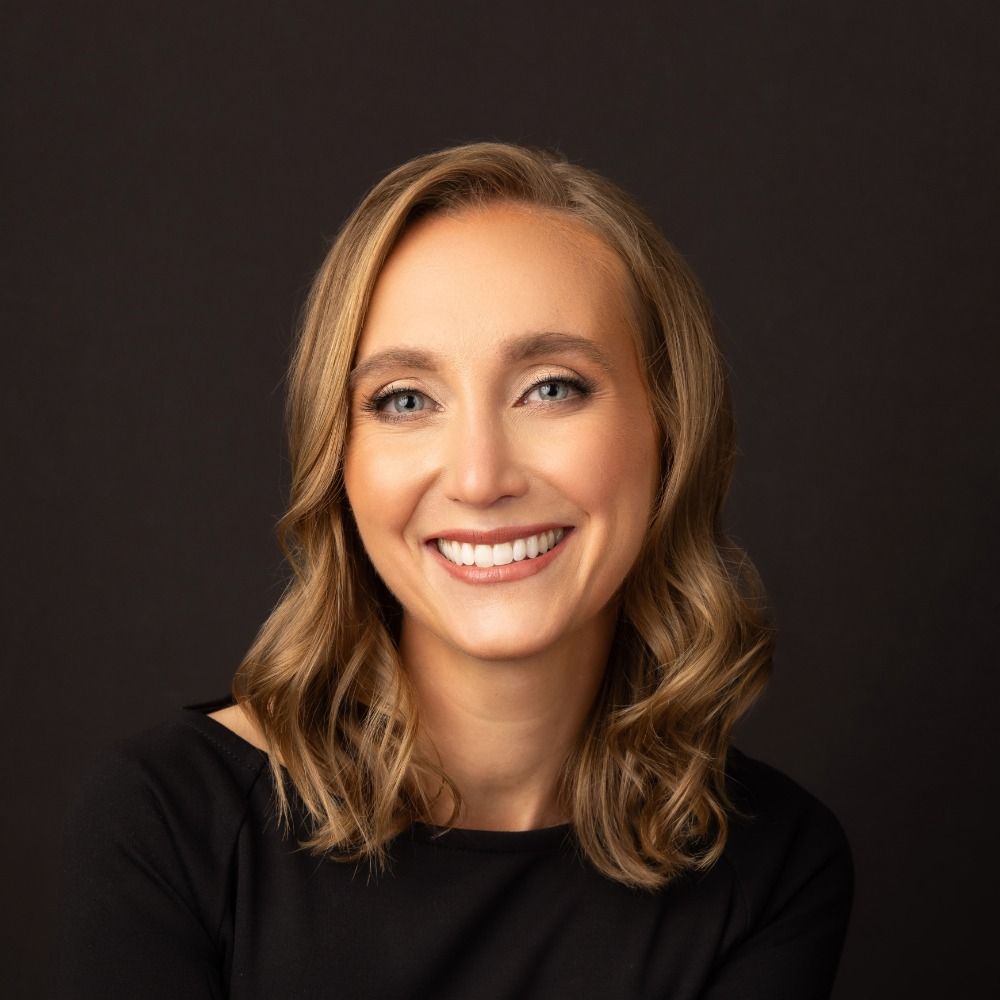 Jessica Calarco is a professor of Sociology, the vice president-elect of the American Sociological Association, a non-resident fellow at the Roosevelt Institute, and an expert on qualitative methods and on the role that privilege and power play in shaping inequalities in education and family life. Calarco has published four books, including “Holding it Together: How Women Became America’s Safety Net,” “Qualitative Literacy: A Guide to Evaluating Ethnographic and Interview Research” (with Mario Small), “Negotiating Opportunities: How the Middle Class Secures Advantages in School,” and “A Field Guide to Grad School: Uncovering the Hidden Curriculum.” Calarco is also an active public scholar, with frequent contributions to outlets like MSNOW, The Atlantic, The Washington Post, and The New York Times.
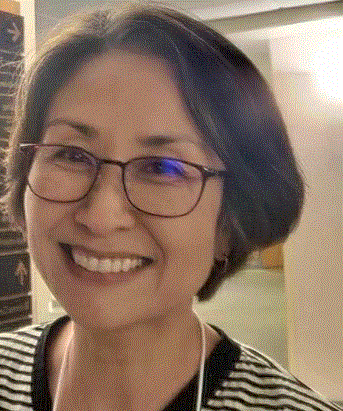 Jacee Cho is an associate professor in the Department of English and is affiliated with the Language Sciences Program as well as the Second Language Acquisition Program. She specializes in formal, experiment-based approaches to language acquisition and bi-/multilingualism. Broadly speaking, Cho’s research program investigates how learning additional languages influences our linguistic knowledge and thought processes, such as information organization and selection, during language use as a result of crosslinguistic interactions between the first language and additional languages we are learning.
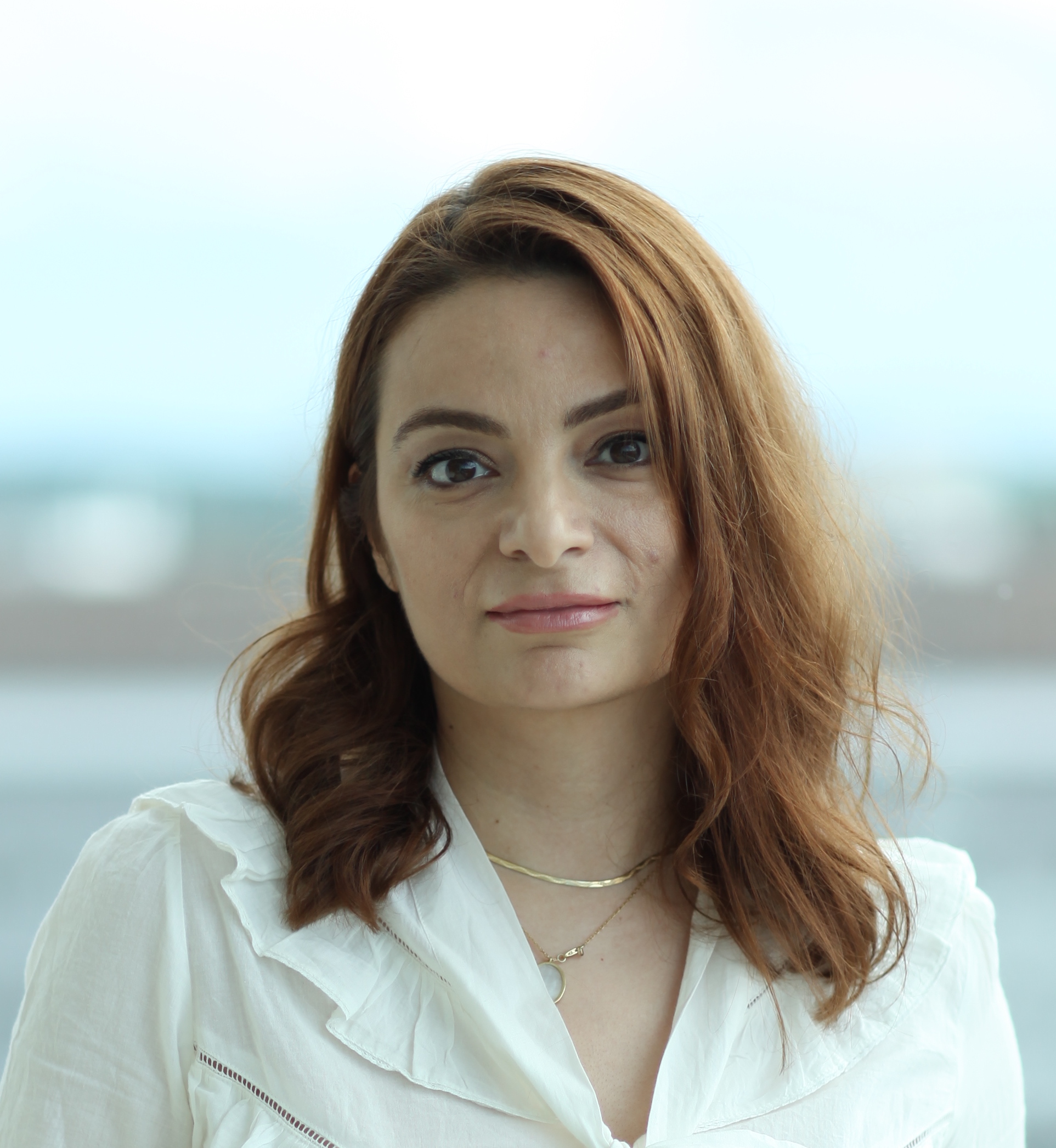 Feyza Engin, associate professor of Biomolecular Chemistry and Medicine, investigates the molecular mechanisms underlying type 1 diabetes, with a focus on cellular stress, the unfolded protein response, beta cell senescence, and immune–beta cell interactions to develop novel therapeutic strategies. Her research has uncovered unexpected protective roles of cellular stress in autoimmune diabetes, including the discovery that stress modulation can promote the generation of immune-evasive beta cells and that stress-induced premature senescence can protect beta cells from immune-mediated destruction. These findings provide new insights into mechanisms of disease progression and identify promising therapeutic avenues for preserving functional beta cell mass in type 1 diabetes. Her work is supported by the National Institutes of Health (NIH), Breakthrough T1D, and the Greater Milwaukee Foundation. Dr. Engin is also committed to excellence in teaching and mentoring and actively contributes to institutional and professional service.
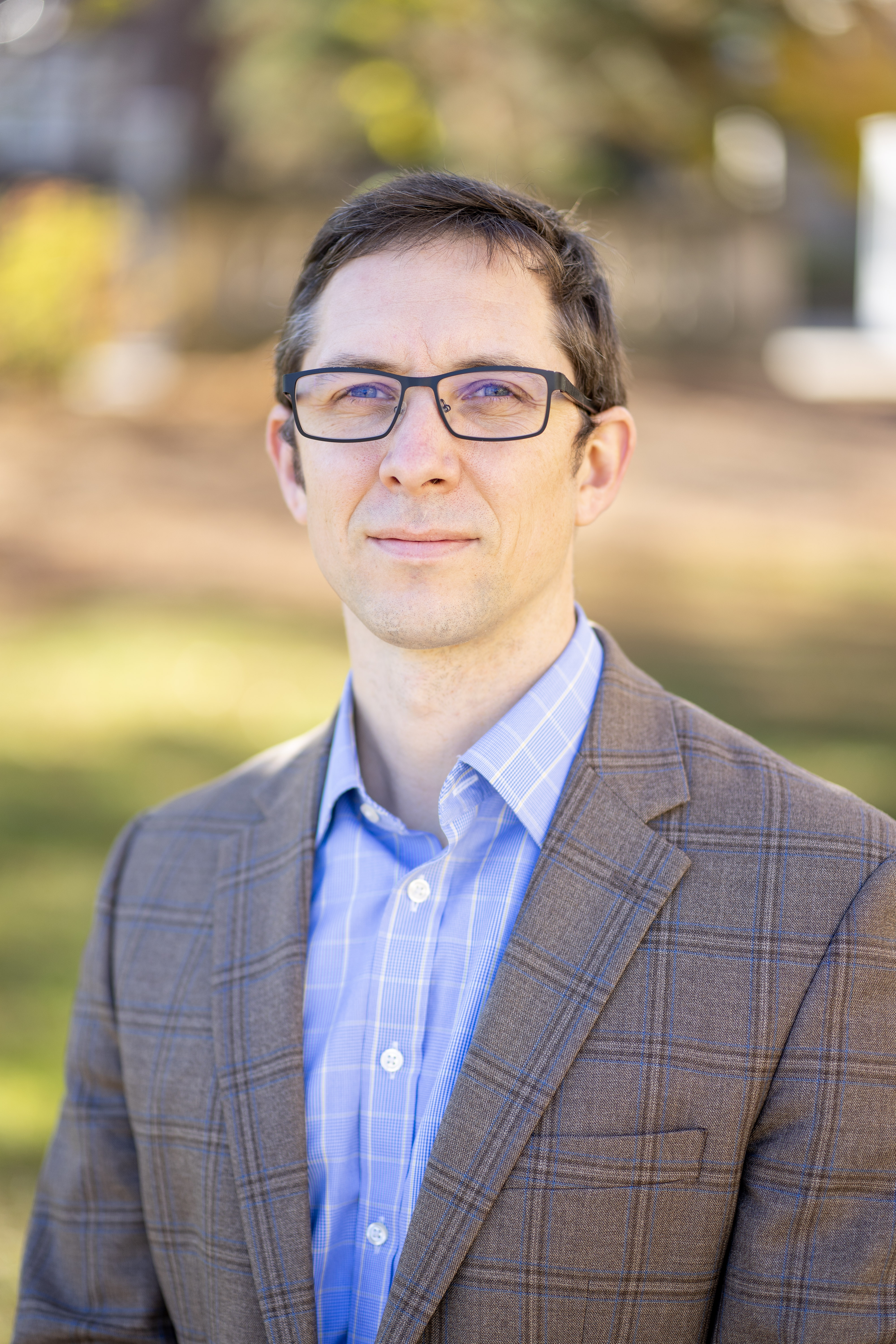 Patrick Iber, associate professor of History, specializes in the relationship between culture, ideas, and politics during the Cold War, and the consequences of those relationships for authoritarianism, democracy, and social change. He is the author the award-winning “Neither Peace nor Freedom: The Cultural Cold War in Latin America”. His new book, “Poverty of the Imagination: The Cold War and the Social Science of Development in Latin America,” examines the five major frameworks of the Cold War social sciences for understanding and combatting poverty. The book uses the lens of the Ford Foundation to explore how these frameworks intersected with political movements and interests; it shows how scholarship on poverty was incorporated into the struggle to recover democracy from military governments. He is now at work on a biography of the Chilean “antipoet” Nicanor Parra, using his 103-year-long life to explore questions of art and politics, global countercultures, and the role of satire in social change. In addition to his academic work, Iber is a contributing editor to The New Republic, and has written for many publications, from The New York Times to Rolling Stone. He is the editor of Dissent magazine, where he works to uphold its tradition of independent political and social criticism.
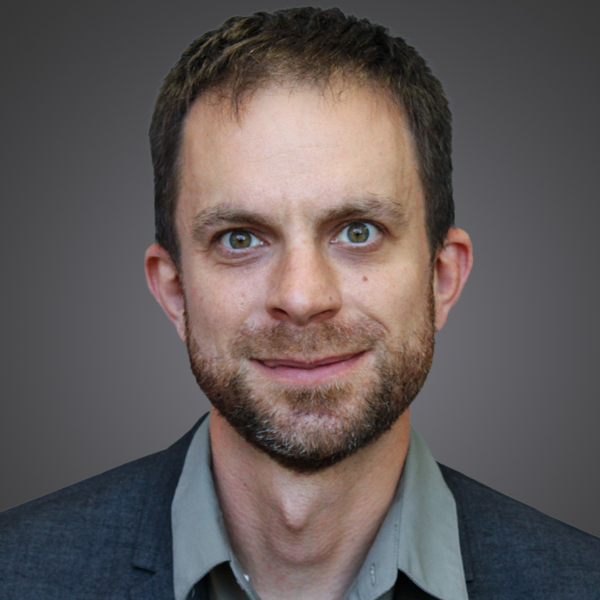 Kevin M. Johnson, associate professor of medical physics, radiology and biomedical engineering, leads a collaborative and multidisciplinary lab aimed at developing and applying MRI technology. His research includes developing novel methods to measure dynamic velocities in 3D, which have been used at UW–Madison and in centers across the globe to understand vascular disease in both research and clinical settings.
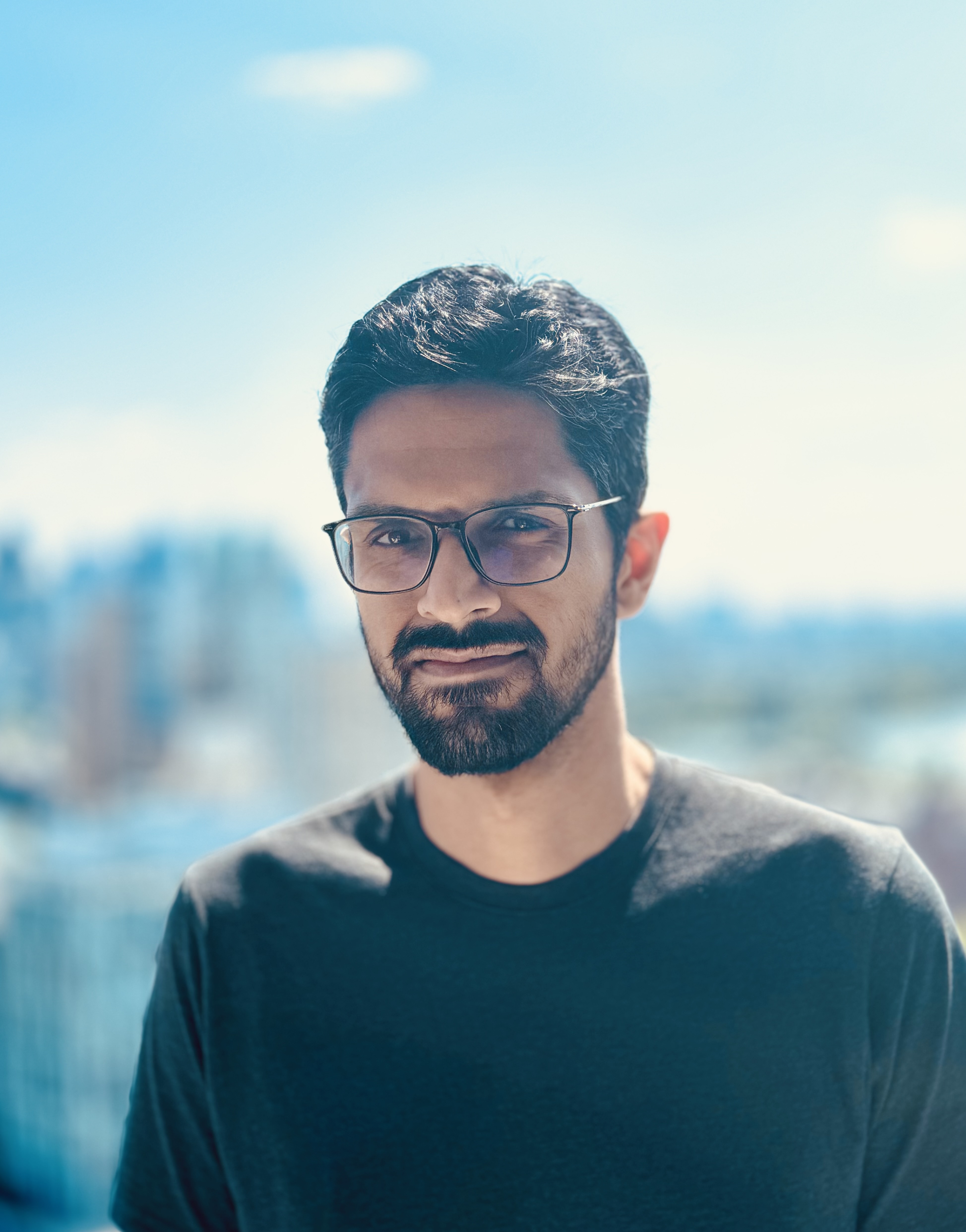 Rishabh Kirpalani, the Scott and Kathryn Happ Professor of Economics, works in macroeconomics, public finance and international economics. His research centers on the design and conduct of government policy, with a focus on the credibility of fiscal and monetary institutions and the global role of U.S. public debt. He has taught at the undergraduate, master’s, and doctoral levels.
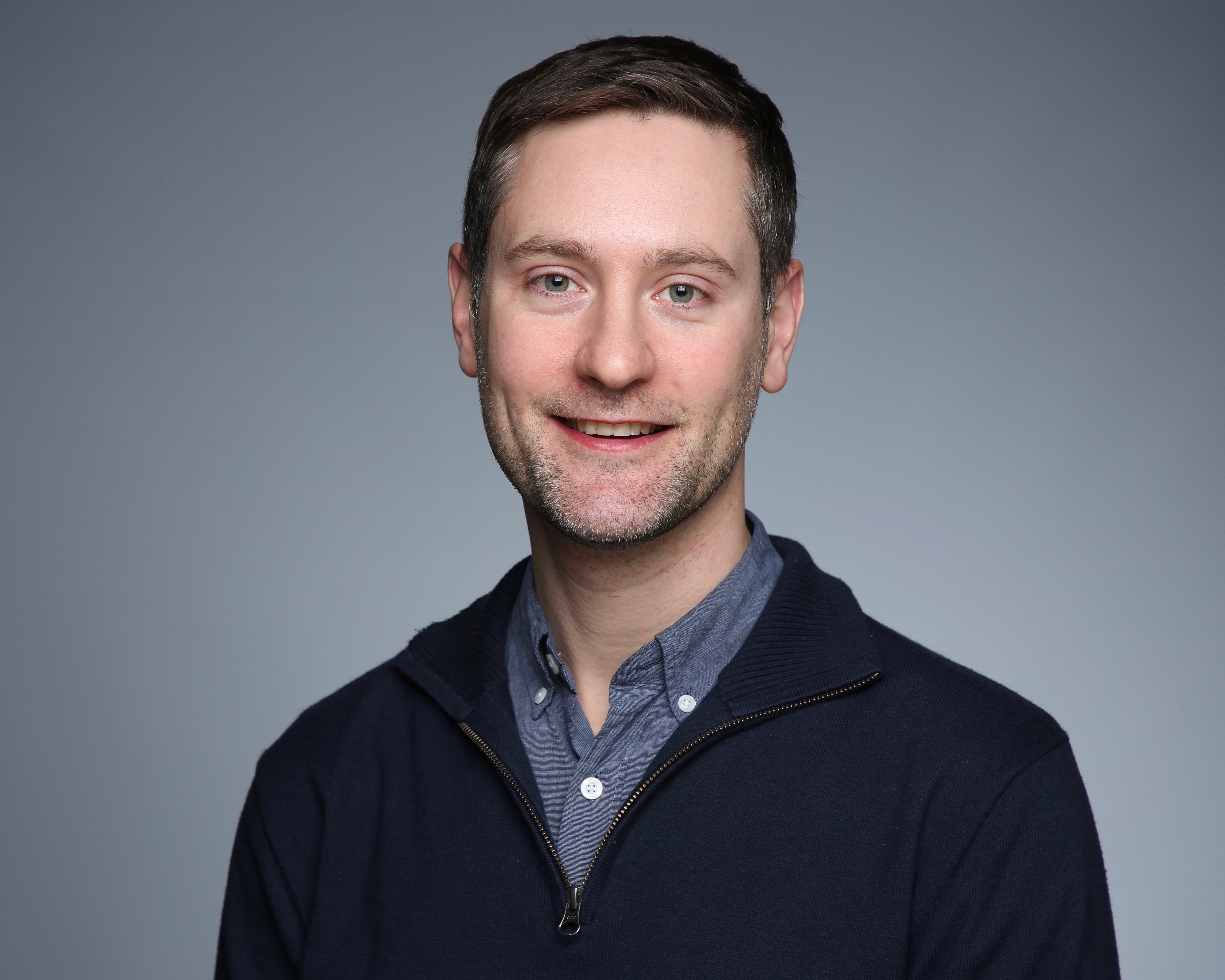 Dean Krouk is a professor in the Department of German, Nordic, and Slavic He has published two monographs and many articles about Norwegian literature and its connections to fascism and antifascism. He teaches undergraduate and graduate courses on various topics in modern Nordic literature, history and culture. In addition, he is the editor of the journal Scandinavian Studies.
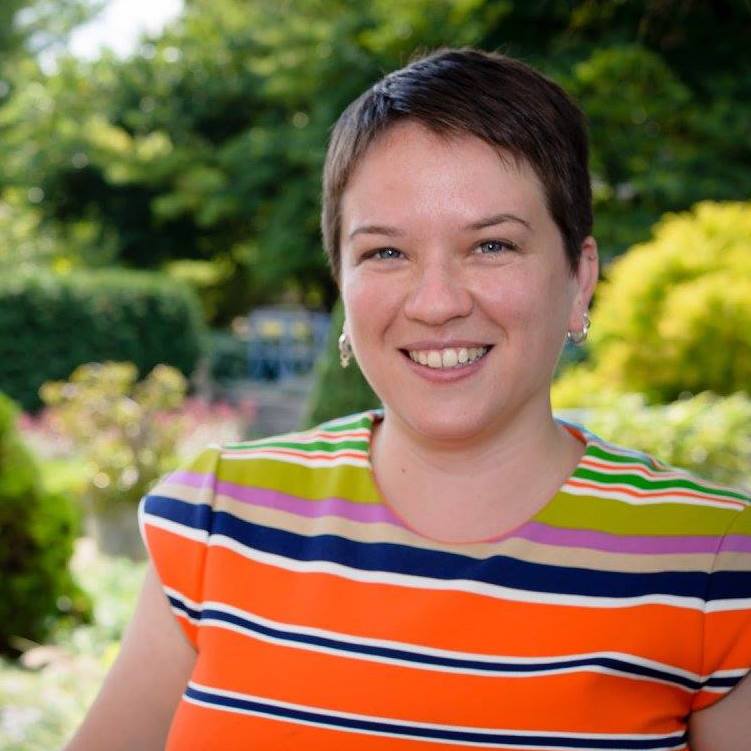 Nicole C. Nelson, associate professor in the Department of Medical History and Bioethics, is a science and technology studies scholar who studies research cultures, with a focus on reproducibility and rigor in biomedicine. She is the current director of the Holtz Center for STS, a past Editor of Social Studies of Science, and a former fellow at the Radcliffe Institute for Advanced Study.
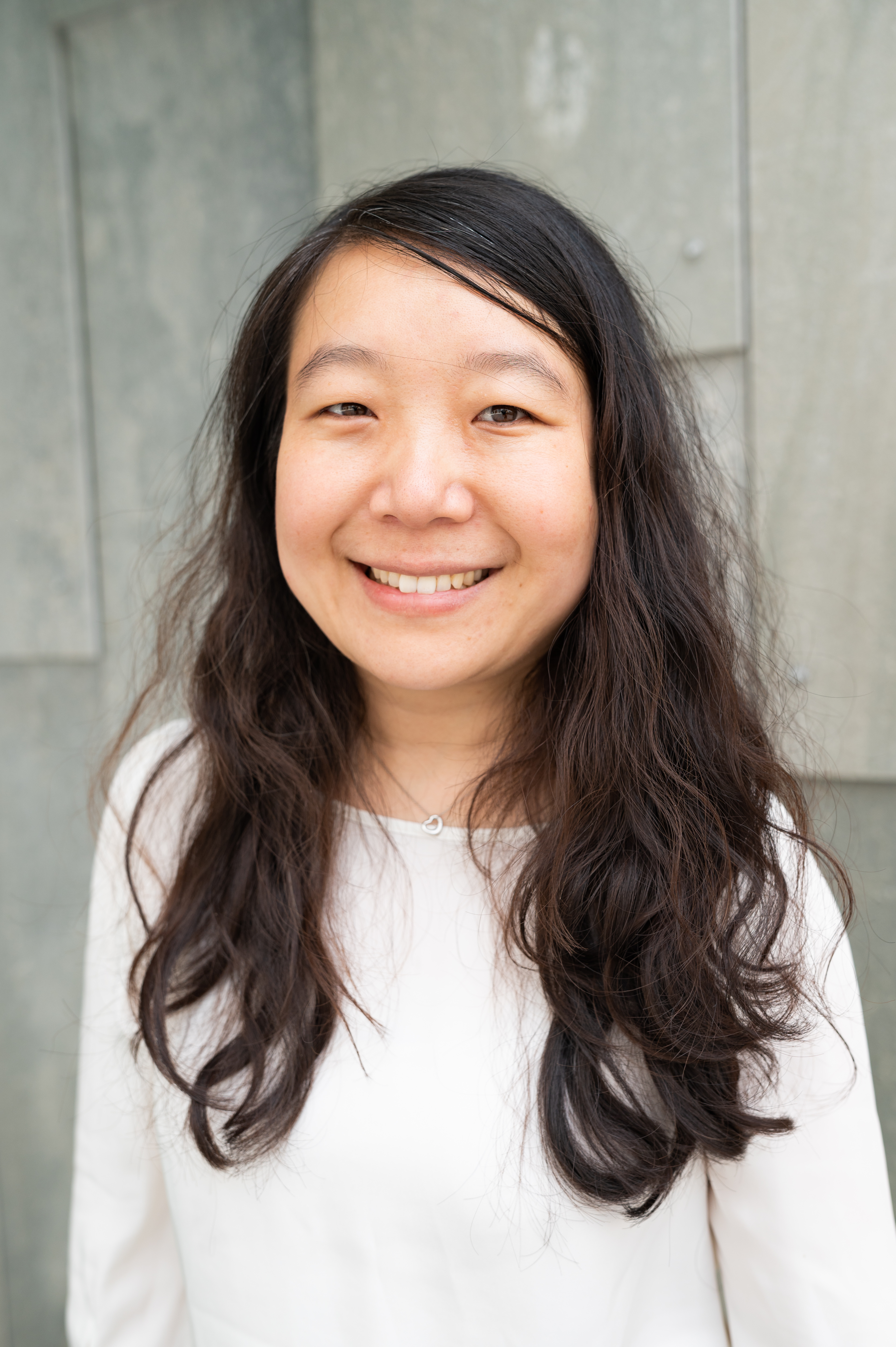 Yuan Ping, associate professor of Materials Science and Engineering and an affiliate in Physics and Chemistry, is an expert of developing first-principles theory of quantum many-body systems for electronic excitations and dynamics, with high impact in the field of electronic structure theory and quantum materials community. Here “first-principles” methodologies mean relying on only quantum mechanics without the need of prior input parameters, enabling accurate and independent theoretical predictions. Her research has tightly connected quantum theory for materials, first-principles high-performance computing software development, with a broad range of materials’ applications in critical fields from quantum information science, spintronics, to energy conversion. For example, she developed foundational theory for first-principles open quantum dynamics for solids with many-body interactions, for spin relaxation and decoherence and quasiparticles dynamics. These new methods developed by Ping finally enable reliable prediction of new materials and new physical properties which cannot be done before.
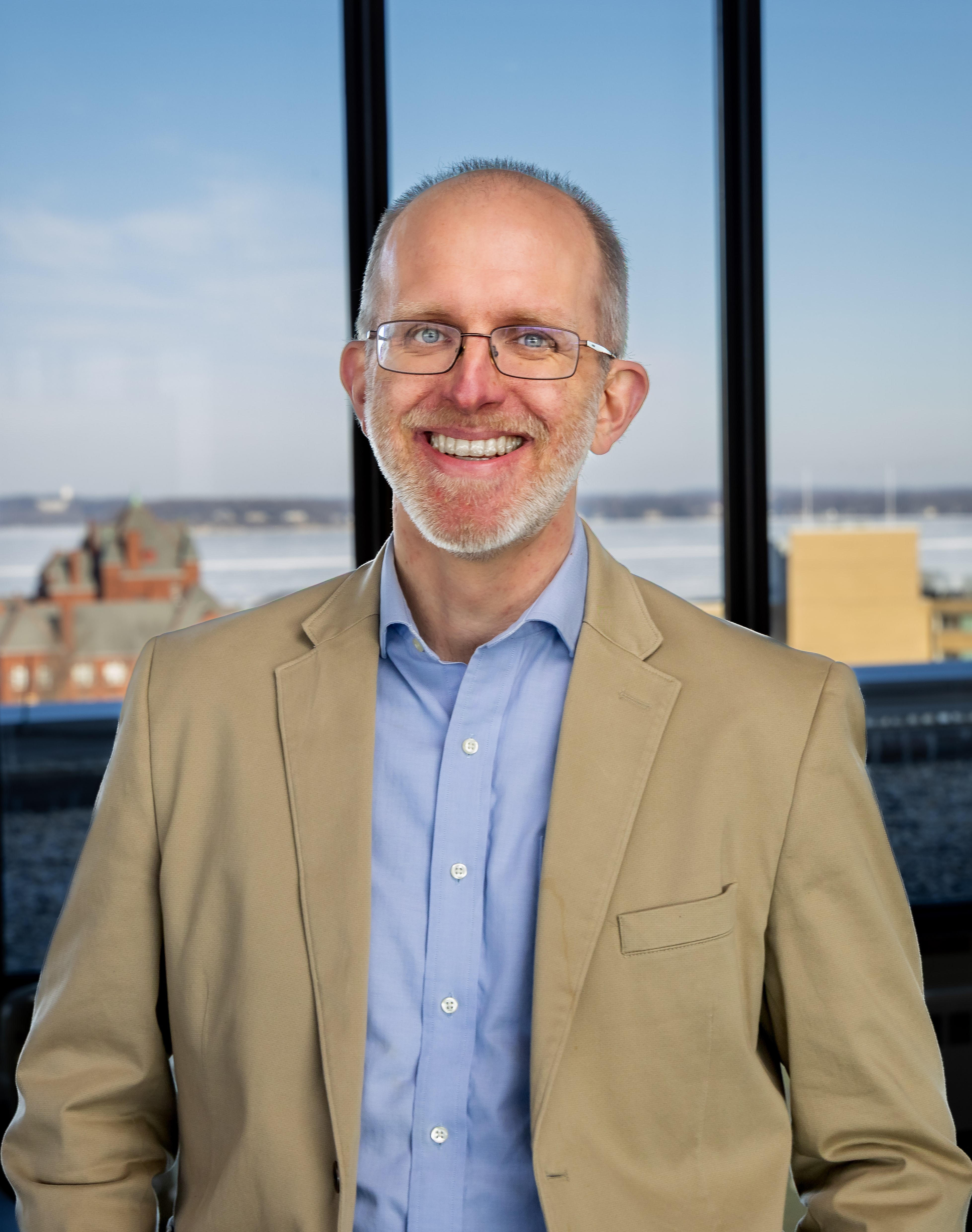 James E. Pustejovsky, associate professor in the Educational Psychology Department, is a leading authority on methodology for evidence synthesis and meta-analysis, which concerns how to combine findings from multiple sources of evidence to answer novel research questions and support broader generalization than possible based on single studies. His research is distinctive for providing rigorous theoretical developments, open-source software to support application of new methods, and accessible, well-contextualized guidance for practice. At UW-Madison, he teaches quantitative methods courses on meta-analysis, field experiments, quasi-experimental design, and Monte Carlo simulation. He serves on the board of trustees of the Society for Research Synthesis Methodology, having recently completed a term as president of the society.
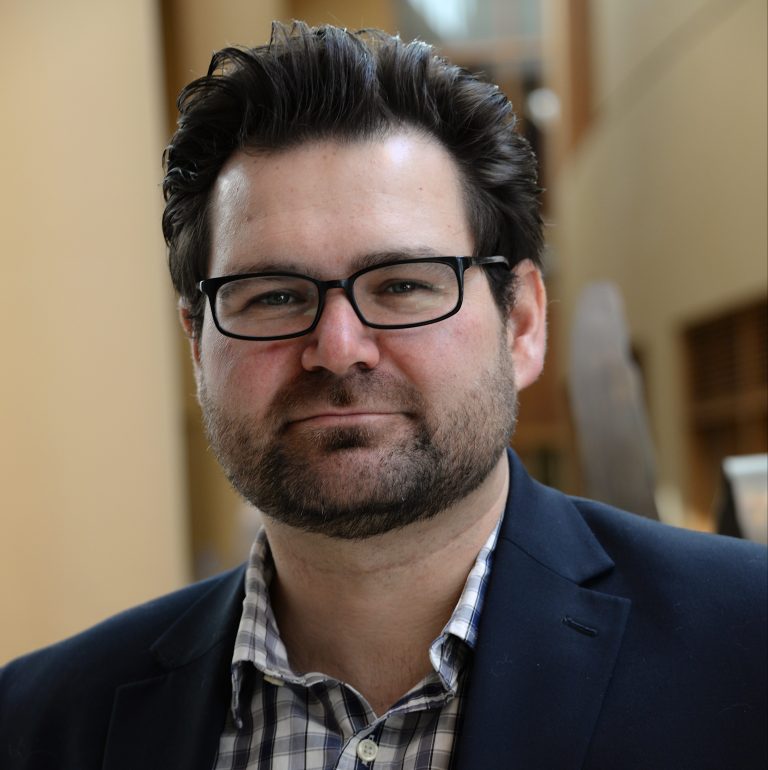 Andrew Quanbeck, associate professor in the Department of Family Medicine & Community Health, is past/current principal investigator on four NIH-funded R01 grants that use innovative systems engineering approaches to promote the implementation of evidence-based interventions in healthcare and community settings. He teaches translational science at UW-Madison and has served as a standing member of NIH’s Science of Implementation in Health and Healthcare study section.
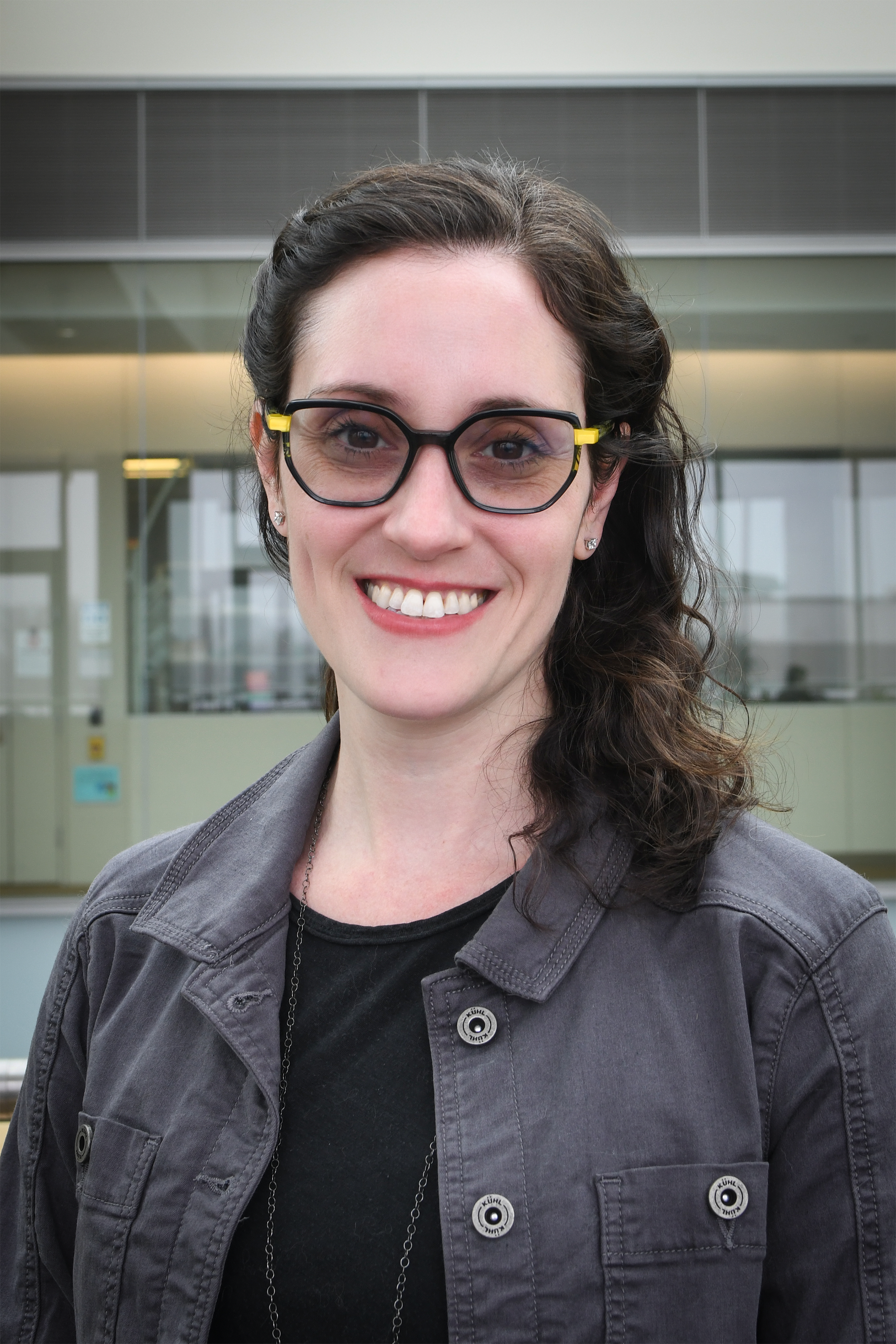 Karen Schloss, associate professor and Associate Chair of Undergraduate Studies in Psychology, is an investigator in the Wisconsin Institute for Discovery. Her research on visualization psychology investigates how people interpret information represented in visualizations, such as graphs, maps, diagrams, and signs, to make visual communication more effective and efficient. Her lab is funded by the National Science Foundation, including an NSF CAREER award, and she was recognized by the Steve Yantis Early Career Award from the Psychonomic Society. She has served in leadership roles in several professional societies, including her current role on the Board of Directors of the Vision Sciences Society.
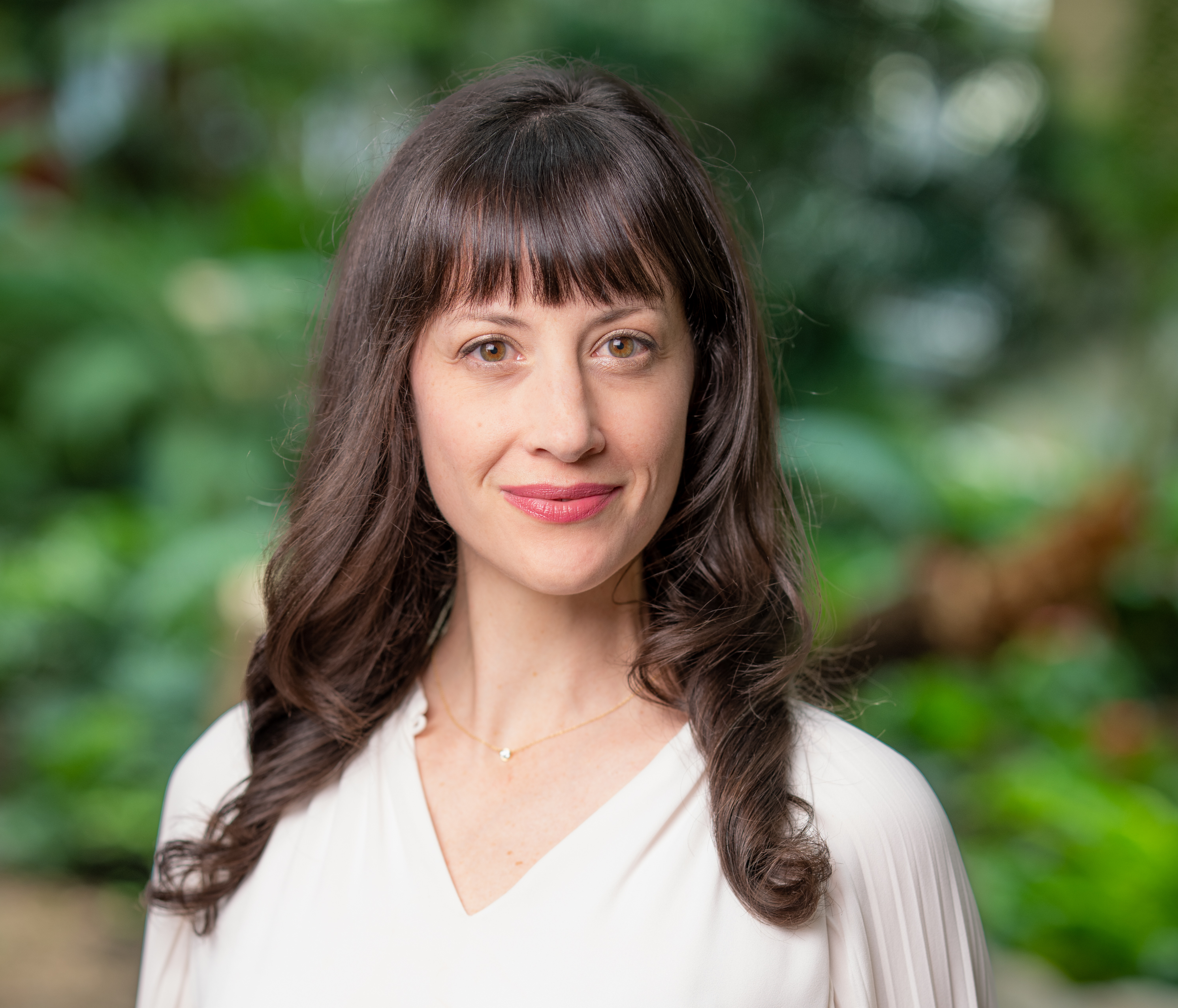 Lauren Schmitz is an associate professor in the La Follette School of Public Affairs. Her current research uses genomic and epigenomic data from population studies to examine how the social exposome interacts with underlying biology to influence the aging process. A health economist by training, she uses causal inference methods to identify policy targets that improve quality of life and extend health span. Her research has been supported by several federal awards, including grants from the National Institute on Aging. She established the Biosocial Equity Lab to train students in interdisciplinary methods and serves as Associate Director for the NIH-funded Center for Demography of Health and Aging on campus.
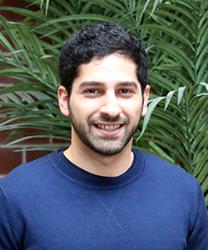 Mostafa Zamanian is an associate professor in the Department of Pathobiological Sciences. His research combines molecular, genetic, and pharmacological approaches to study host–pathogen interactions. These insights drive pipelines to validate receptor drug targets and develop small-molecule therapies for neglected parasitic diseases associated with poverty that afflict over one billion people. This work extends to understanding mechanisms of drug resistance, and discovering immunomodulators evolved at the host interface, with potential chronic disease applications. His research is supported by the NIH, NSF, and USDA, alongside active industry collaborations. He regularly serves on federal and international grant review panels, is a contributor to WHO R&D blueprints, and an editorial board member at PLOS Pathogens. Previous awards include the NIH Career Transition Award, Zoetis Award for Research Excellence and UW Postdoctoral Mentor Award.
KELLETT MID-CAREER AWARDS
Sixteen faculty have been honored with Kellett Mid-Career Awards to support those promoted to tenured positions seven to 20 years ago and who have made key research contributions in their fields. The award, named for the late William R. Kellett, a former president of the WARF board of trustees and president of Kimberly-Clark Corporation, provides support and encouragement to faculty at a critical stage of their careers and comes with $75,000 to be spent over five years.
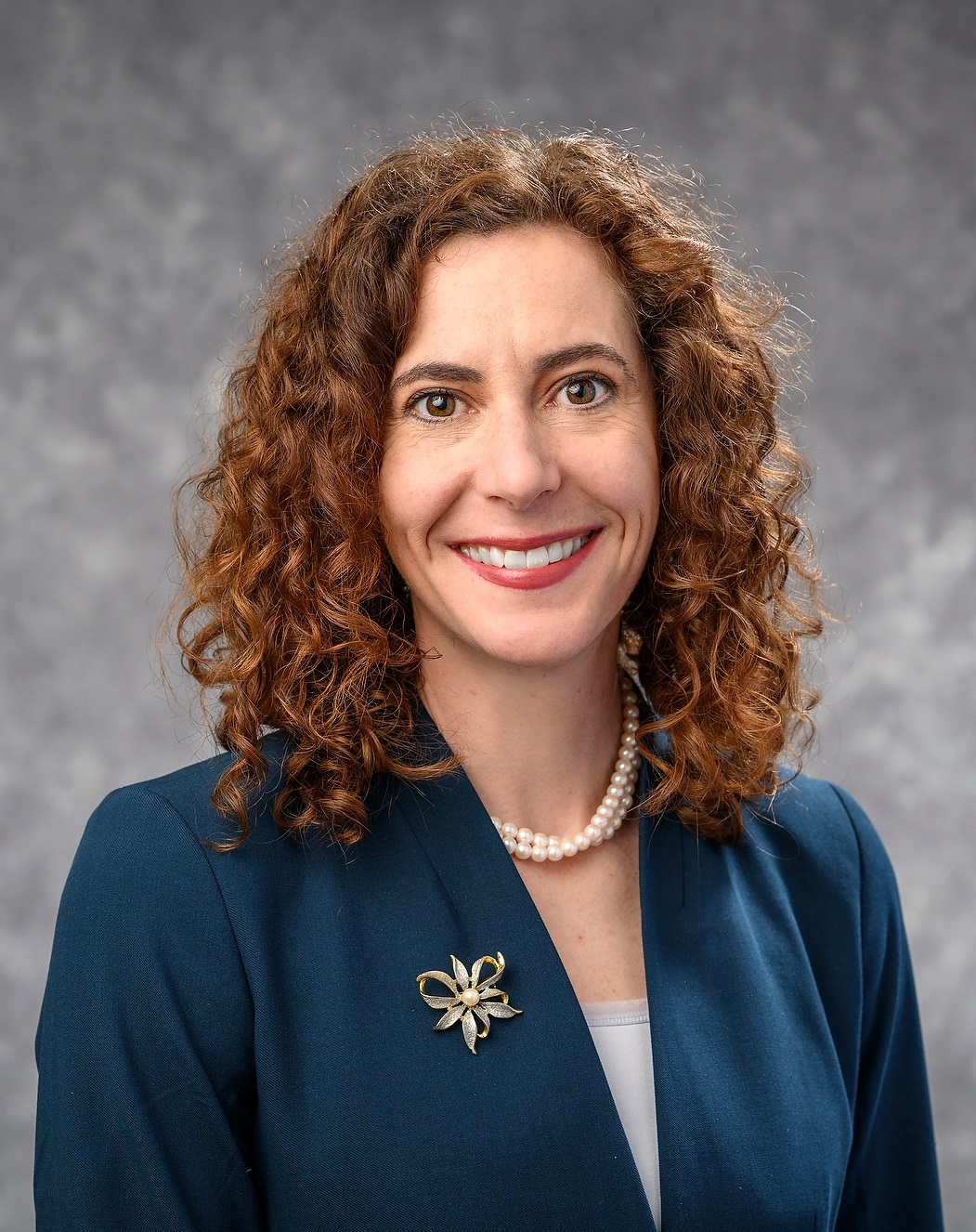 Laura Albert, Keith and Jane Morgan Nosbusch Professor of Industrial Engineering and Senior Associate Dean for Faculty Affairs and Development in the College of Engineering, studies risk management and optimization, with application to public safety, critical infrastructure protection, security, and sports analytics. Additionally, she is an ambassador for operations research and industrial engineering who is committed to increasing public engagement and broadening participation in engineering.
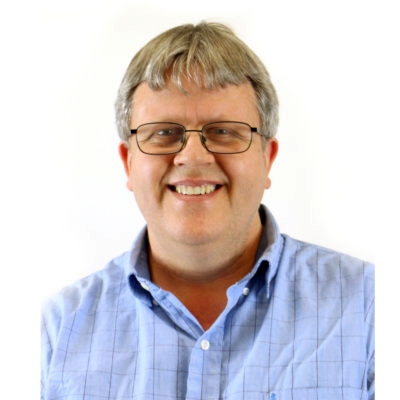 Ian G. Baird, professor of geography, is a political ecologist and development studies scholar who conducts research on various topics, including Mekong River Basin hydropower dams and related social and environmental issues, land tenure, agriculture, Indigeneity and marginal histories in Southeast Asia. Most of his research relates to Laos, Thailand and Cambodia.
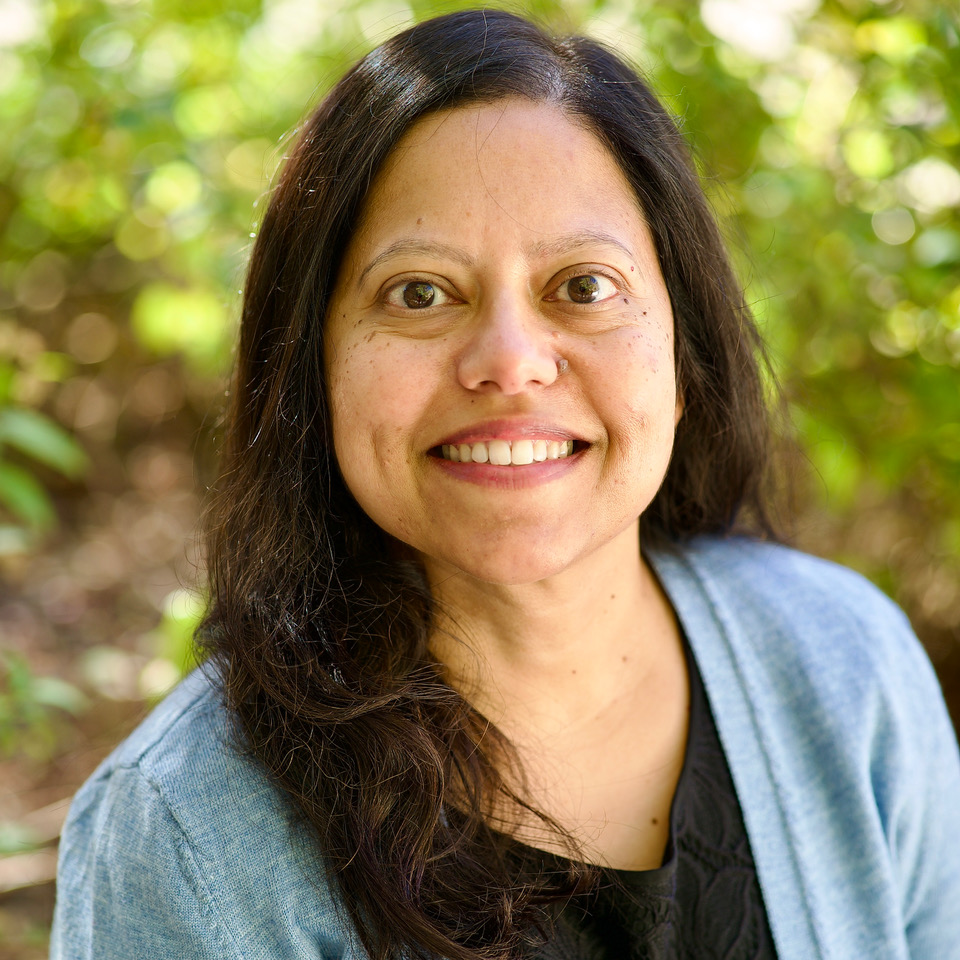 Tulika Bose, Vilas Distinguished Achievement Professor of Physics, is an internationally recognized leader in experimental particle physics whose work on the CMS experiment at the CERN Large Hadron Collider advances precision measurements, new-physics searches, and large-scale computing innovation. A dedicated educator and mentor, she also provides distinguished service shaping national research priorities, workforce development and public engagement.
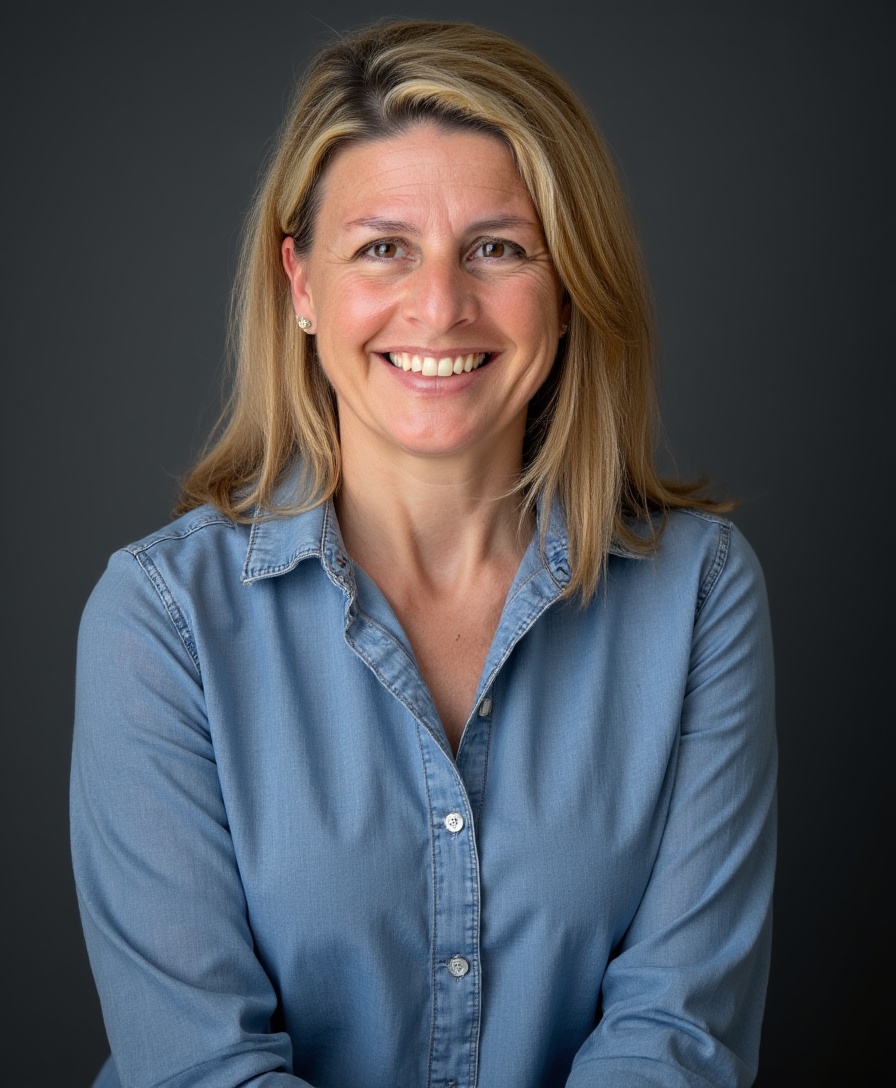 Natalia de Leon is a professor in the Department of Plant and Agroecosystem Sciences and Plant Breeding and Plant Genetics program trainer and current chair. Her research group integrates plant breeding, quantitative genetics, genomics, phenomics and biotechnology to improve crop productivity and resilience. She teaches quantitative genetics and plant breeding
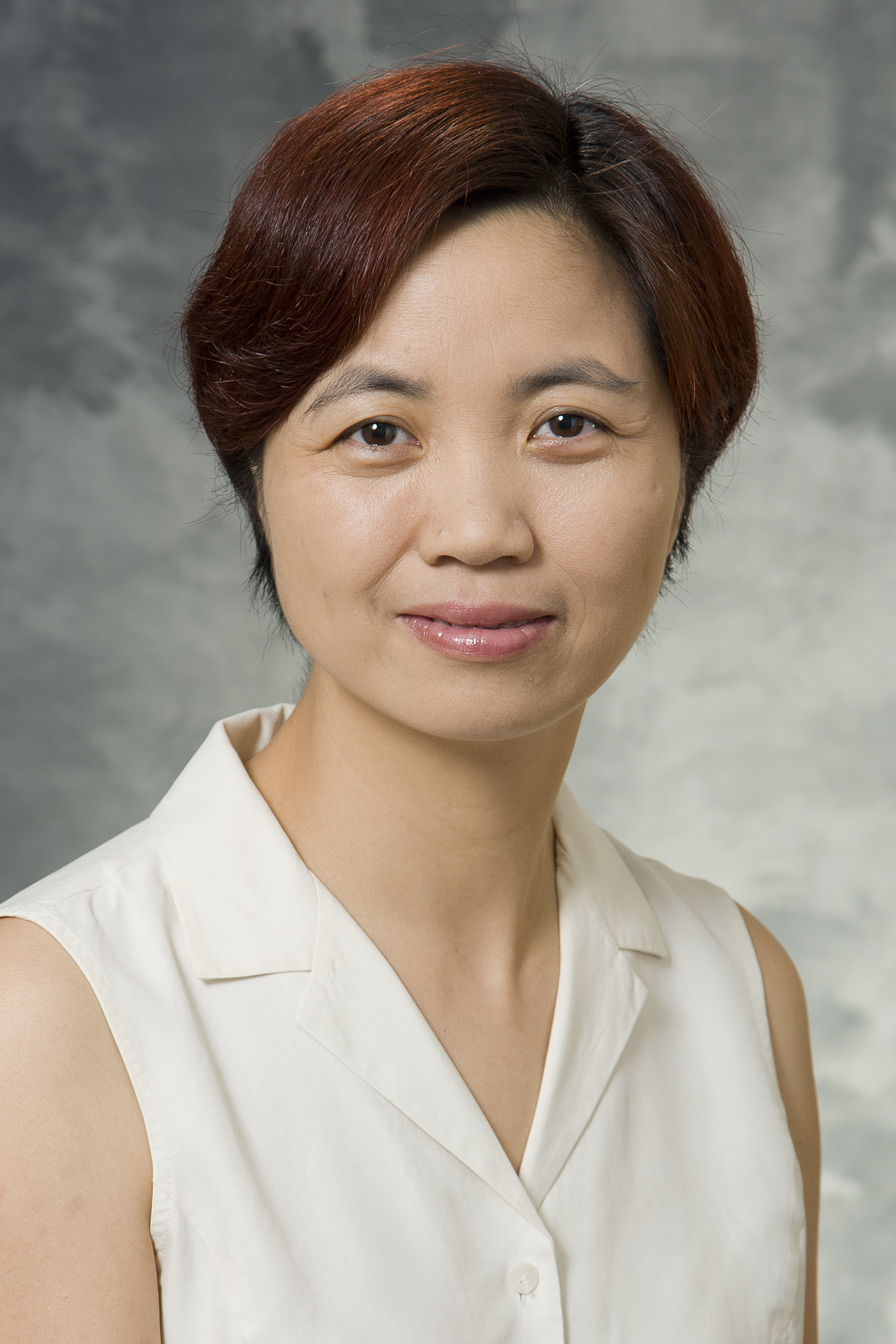 Ying Ge is a professor in the Departments of Cell and Regenerative Biology and Chemistry and Director of the Human Proteomics Program at UW–Madison. An internationally recognized leader in top-down proteomics, she develops innovative technologies to advance cardiovascular biology and precision medicine. She is also dedicated to teaching, mentoring, and service.
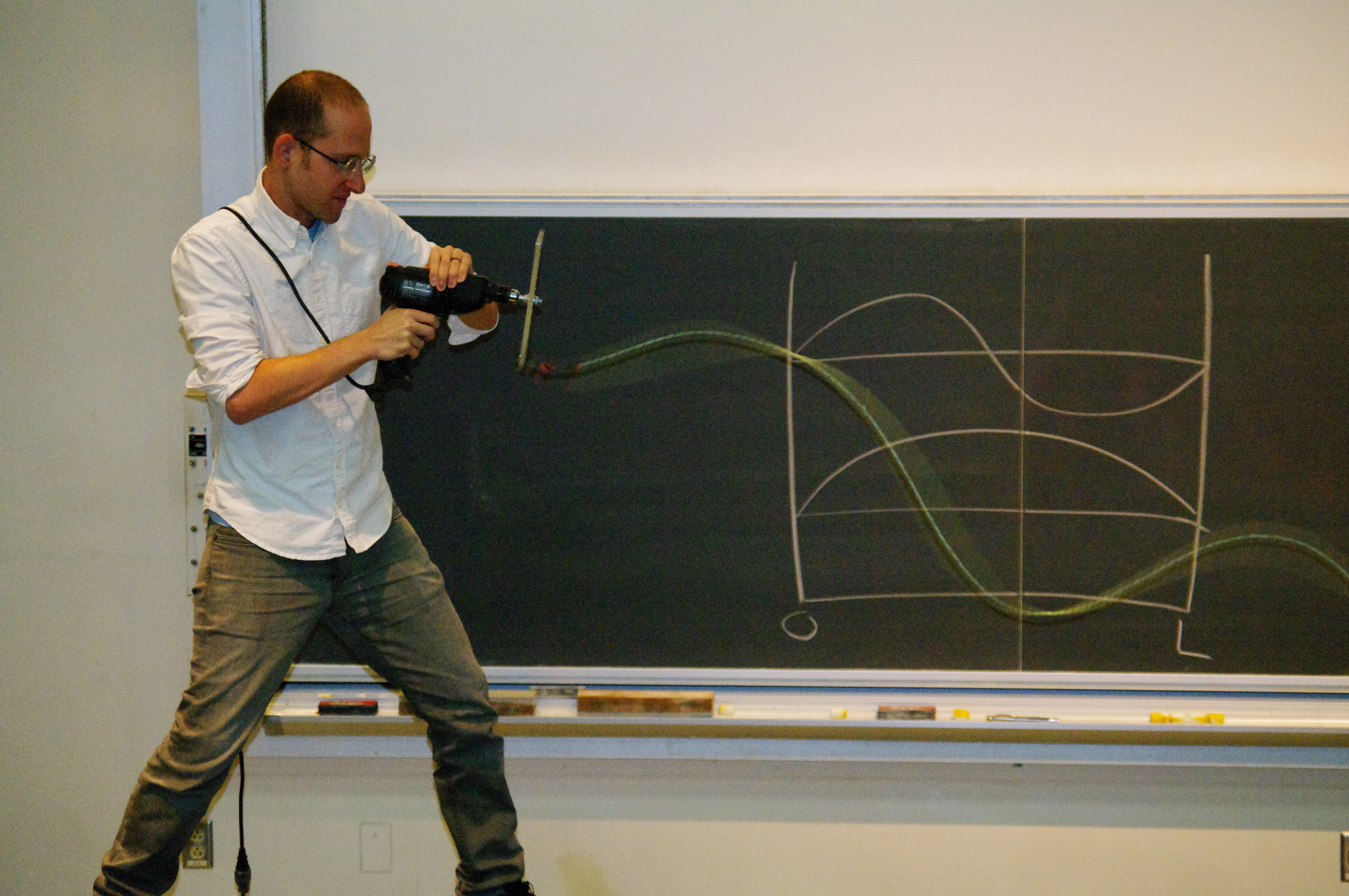 Randall H. Goldsmith, professor of Chemistry, works at the interface of molecular spectroscopy and photonics. His group builds new microscopes capable of observing the behavior of individual molecules, including biomolecules, catalysts, and polymers, often by deploying photonic technologies that alter the properties of light.
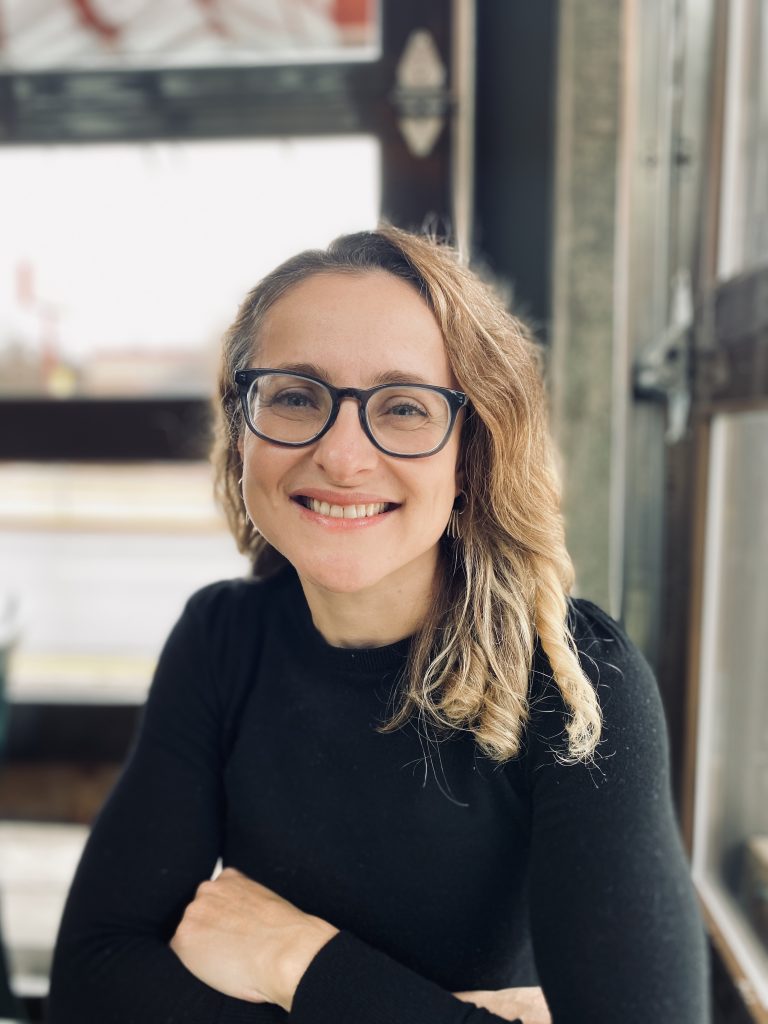 Sunduz Keles, professor in the Department of Biostatistics & Medical Informatics and the Department of Statistics, integrates statistics, machine learning, and genomics to uncover mechanisms of gene regulation and cellular function. She has pioneered widely used methods for analyzing genomic and single-cell data, enabling discoveries in hematopoiesis, genome architecture, and disease biology. An elected Fellow of the American Statistical Association, she is recognized for her mentorship and interdisciplinary leadership.
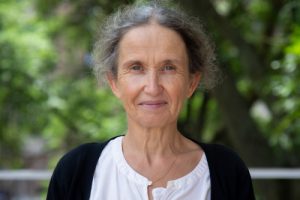 Marie-Louise Mares, professor of Communication Arts, studies prosocial and educational media uses across the life-span. Her recent research focuses on the ways that teens and their parents use media to talk with each other about issues of identity, including LGBTQ+ and ethnic-racial identities. She is a fellow of the International Communication Association.
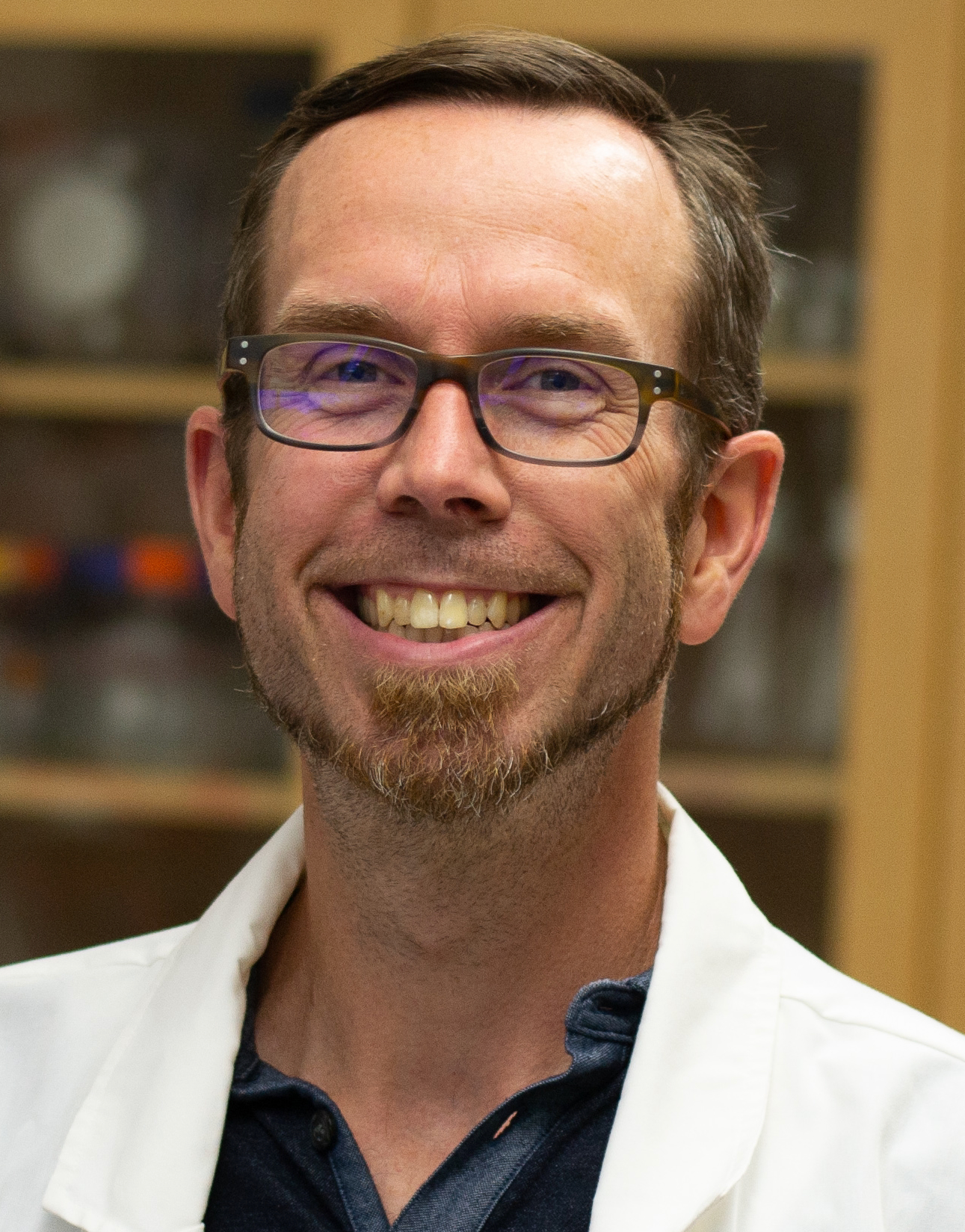 Andrew Mehle is professor of Medical Microbiology and Immunology in the School of Medicine and Public Health. Viruses are liars, cheats, and thieves. They steal resources from the cells to support their replication, while evading or subverting cellular defenses meant to stop them. Mehle and his lab study this battle inside cells infected with influenza virus with the goal of discovering new fundamental biology and identifying targets for therapeutic intervention. In addition to his research, Dr. Mehle is the Director of the Microbiology Doctoral Training Program.
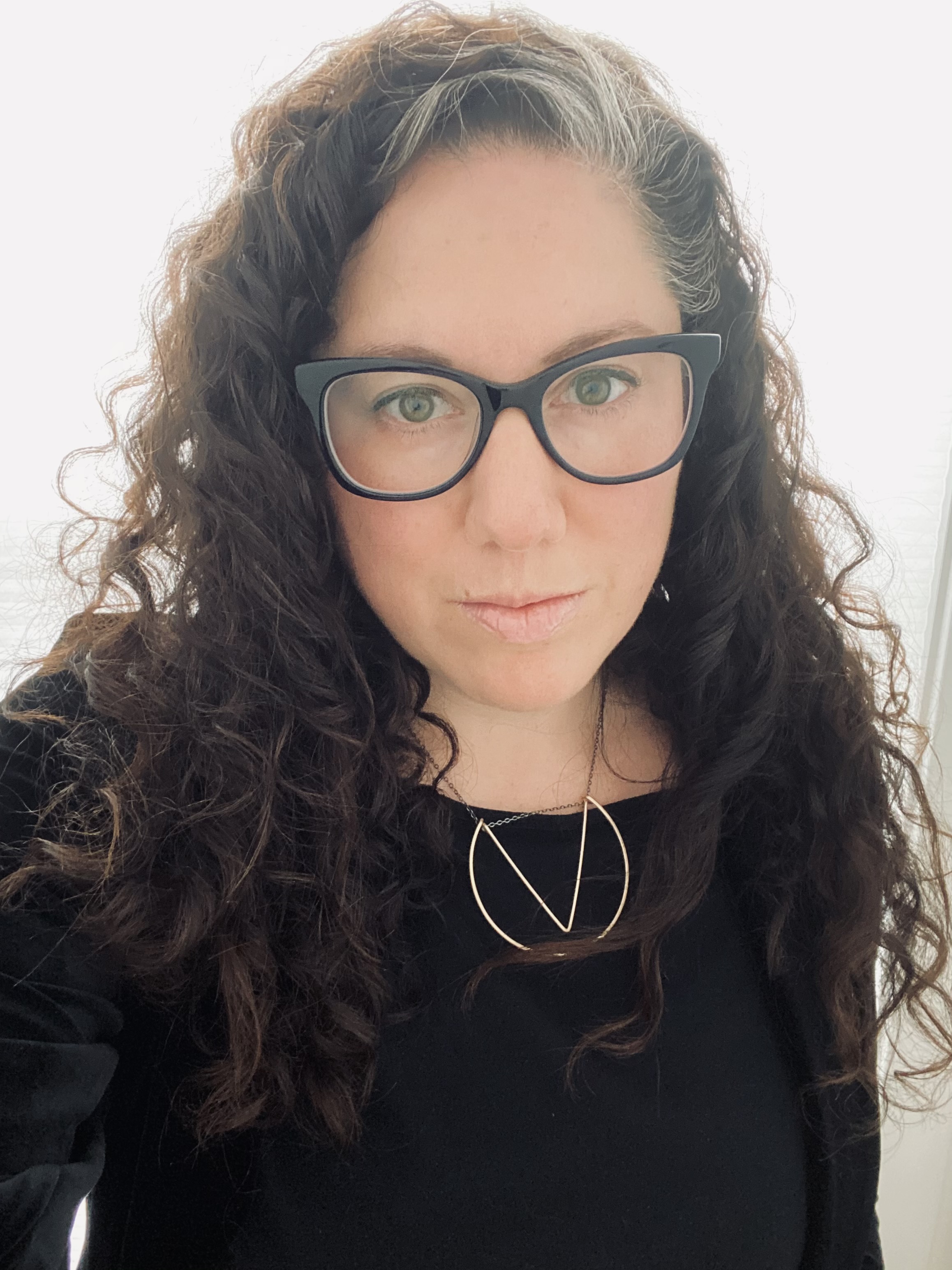 Erika Meitner, professor of English, is the author of seven books of poetry, including the 2026 collection Assembled Audience, and Holy Moly Carry Me, which was the winner of the National Jewish Book Award in poetry, and named a finalist for the National Book Critics Circle Award. Meitner directs the MFA program in Creative Writing, the Conney Project on Jewish Arts, and is co-editor of the University of Wisconsin Press poetry series.
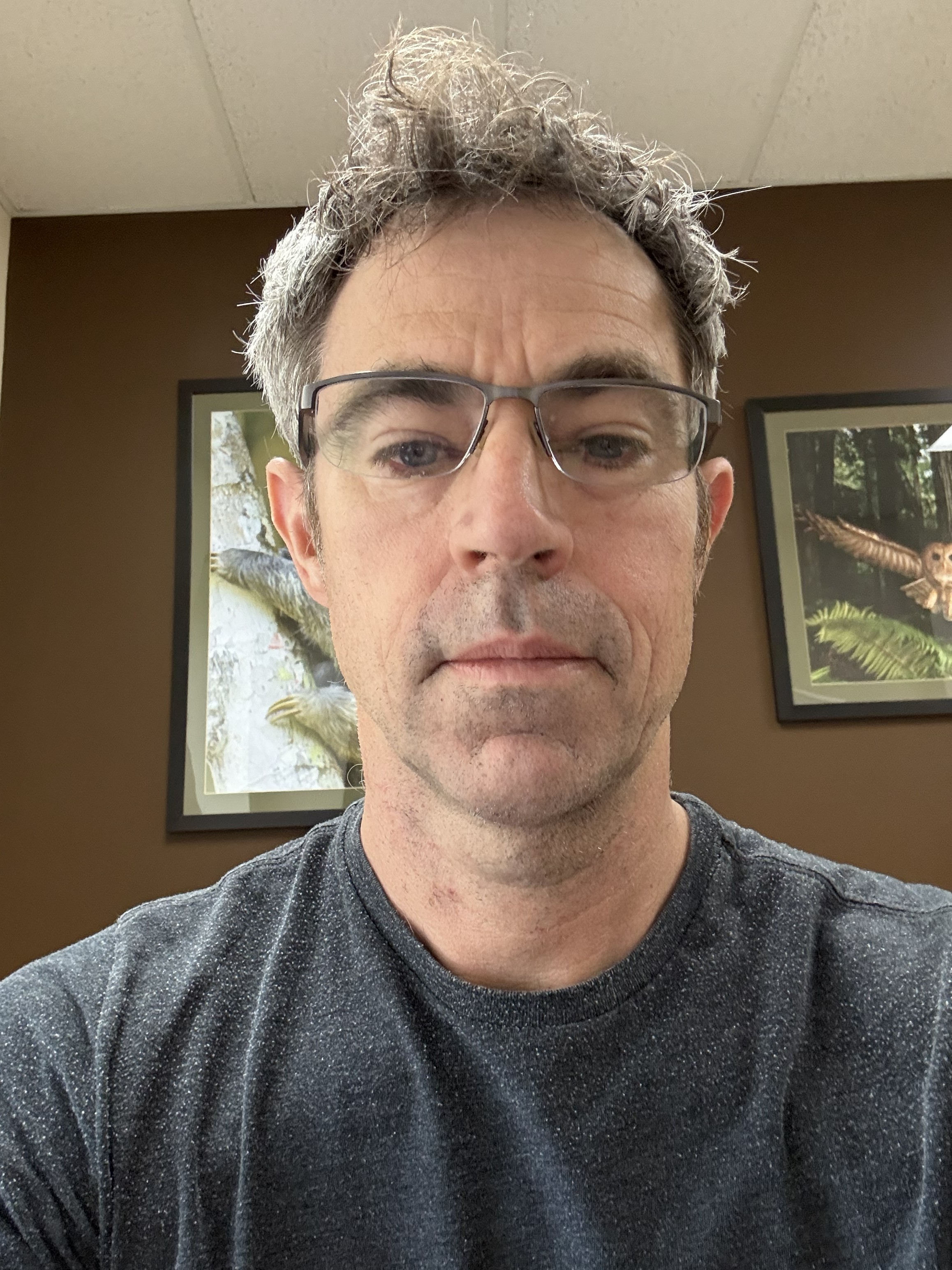 Zach Peery, is a professor of Wildlife Ecology in the Department of Forest and Wildlife Ecology,. He has worked extensively to study and conserve endangered species in the United States. His current research focuses on the conservation of spotted owls and management of barred owls in western forests, as well integrating biodiversity and ecosystem conservation planning.
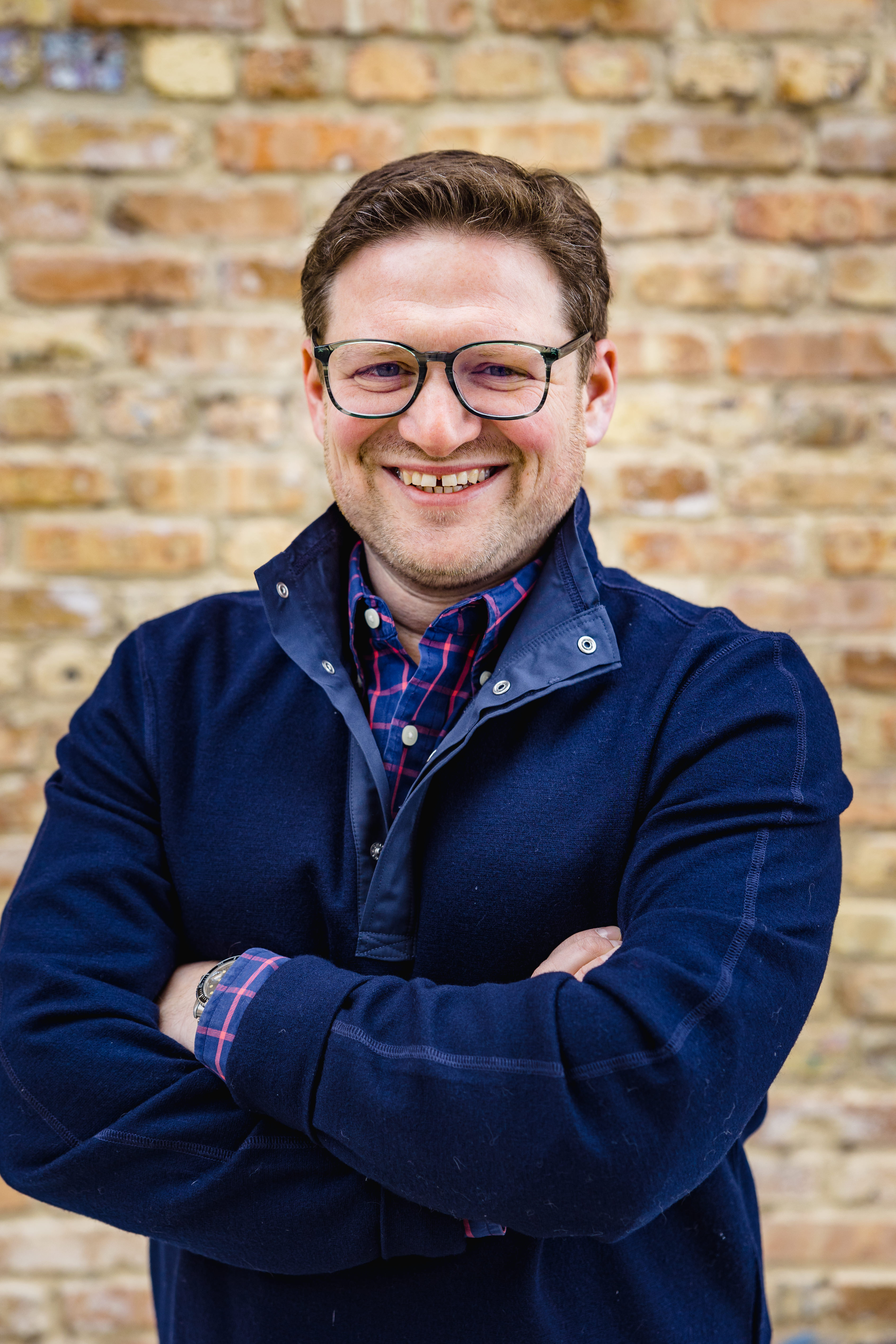 Jonathan Renshon, the Board of Visitors Professor of Political Science at UW–Madison works on the topics of reputations, psychology and decision-making in world politics. At UW, Renshon founded the“Experimental Politics Workshop” and teaches courses on Political Psychology, International Relations, Research Design and Experimental Methods. In 2025, he was awarded the Karl Deutsch Award from the International Studies Association.
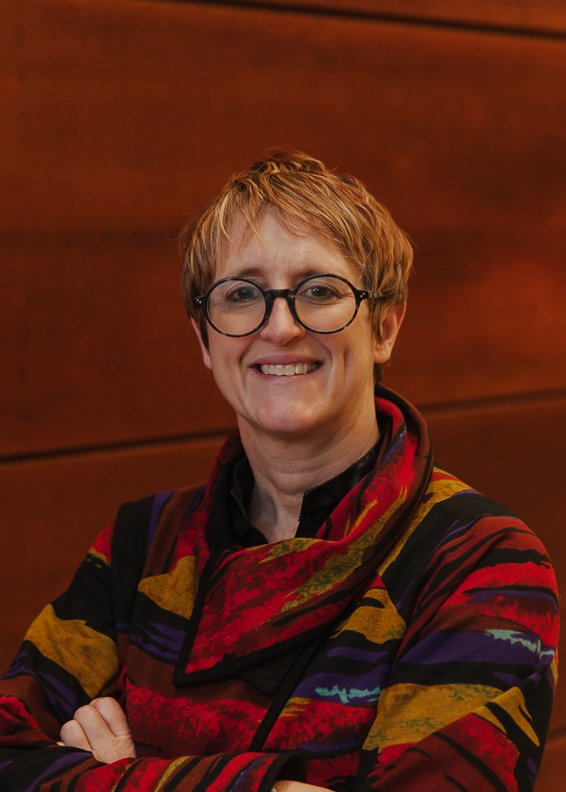 Sue Robinson holds the Helen Firstbrook Franklin Professor of Journalism endowed chair at the School of Journalism & Mass Communication where she teaches and conducts applied research about journalism, technologies, and power. She has published three books and has two more due out in 2027, all about how journalists can build trust among different audience groups with community-engaged reporting, solutions-oriented investigations and other strategies. In addition, she volunteers/works in local community spaces and is publisher of the hyperlocal Madison Commons.
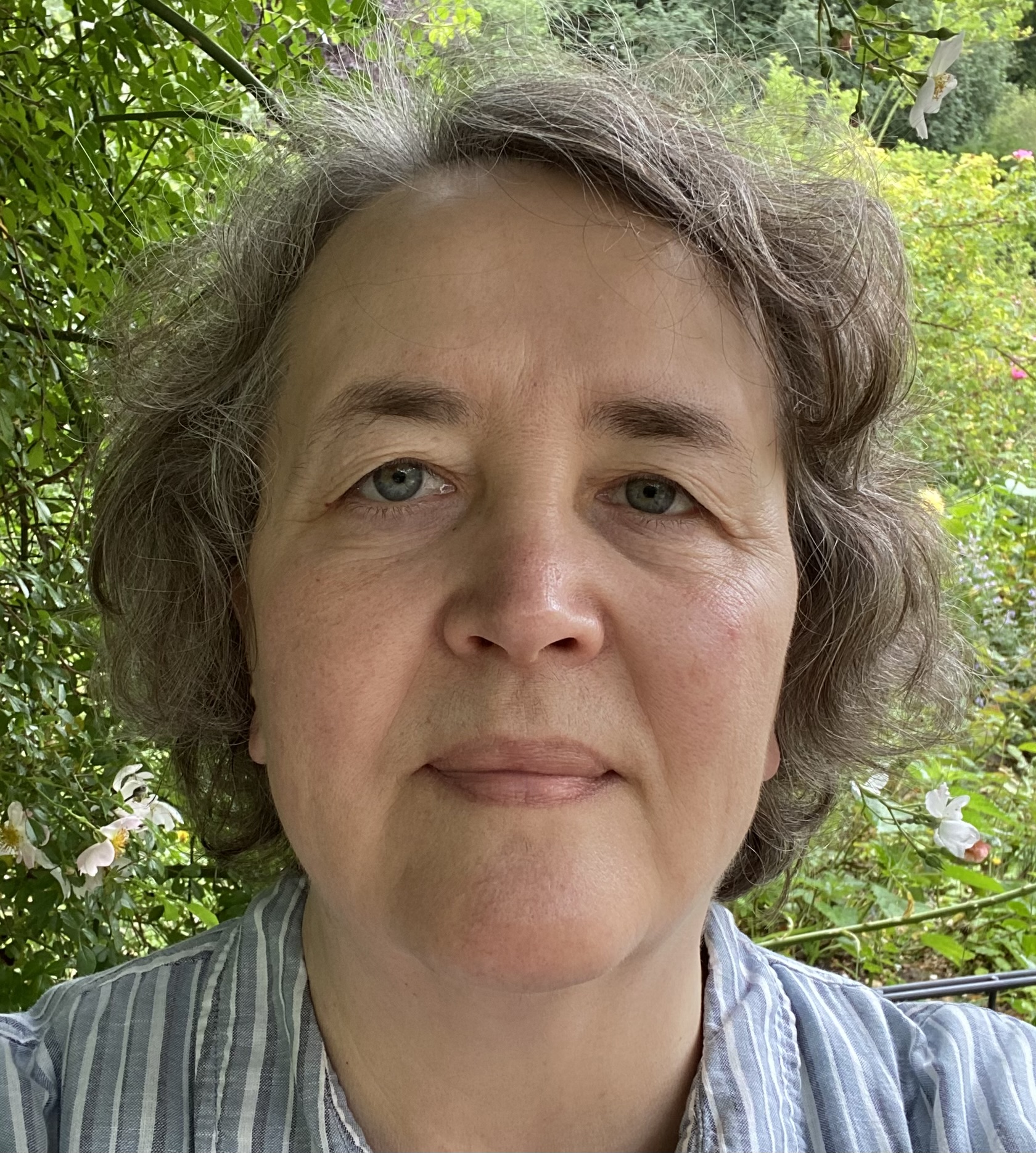 Irina Shevelenko is professor of Slavic and current Director of CREECA. Her research areas include Russian Modernism in literature and the arts; Russian interwar literature; Russian poetry; nationalism in the late Russian empire; and more recently, late Soviet and post-Soviet literature and culture. Her current book-in-progress looks at Russia’s long twentieth century by examining its central topos, the Russian Revolution, as the subject of artistic representation and intellectual engagement, from the 1920s through the post-Soviet period.
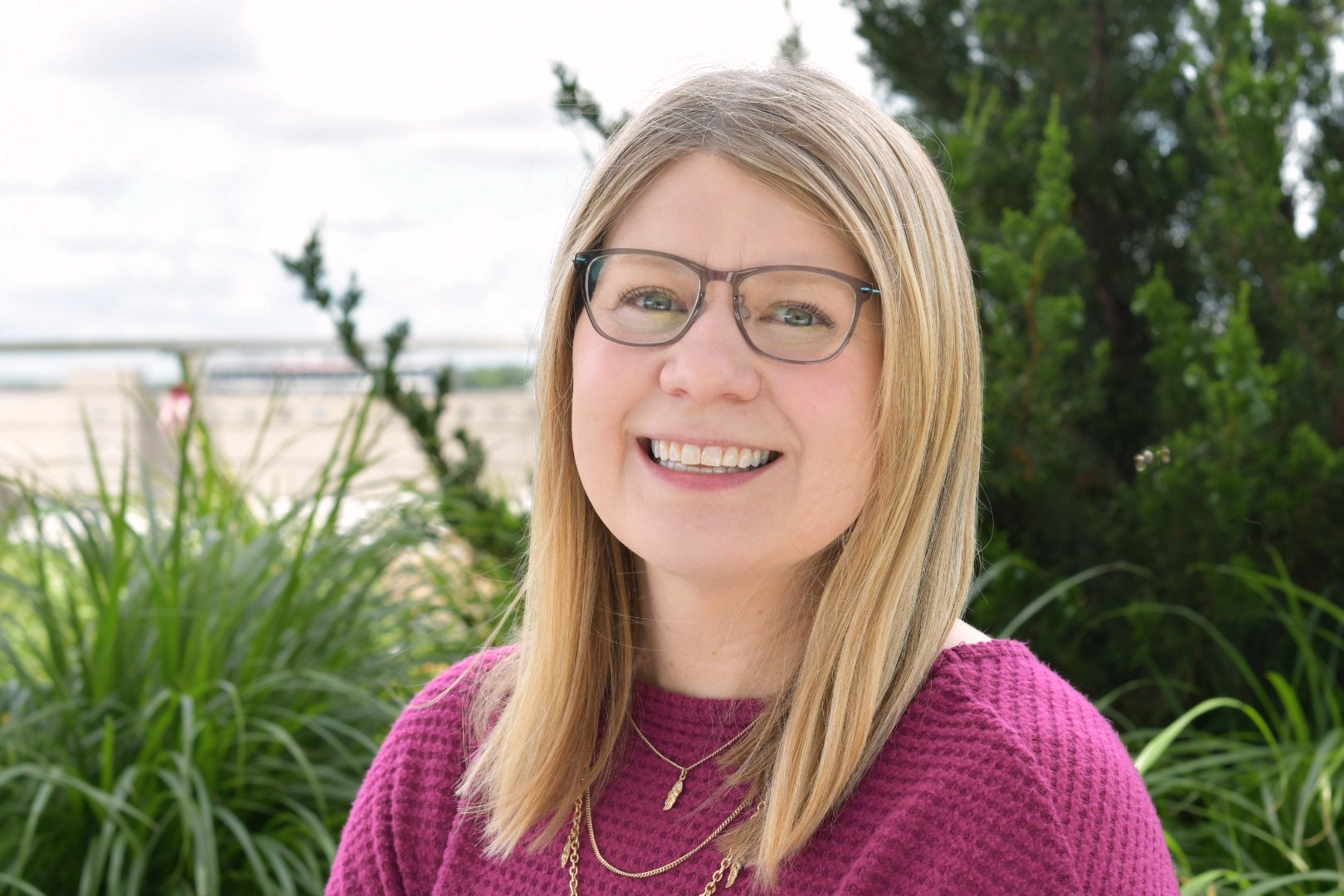 Kristin Shutts, professor of psychology and Waisman Center investigator, studies and teaches courses focused on children’s social cognitive development. Her research program examines children’s thinking about social groups, including the development of social attitudes. She is President of the Cognitive Development Society and Vice Chair of the Madison Children’s Museum Board of Directors.
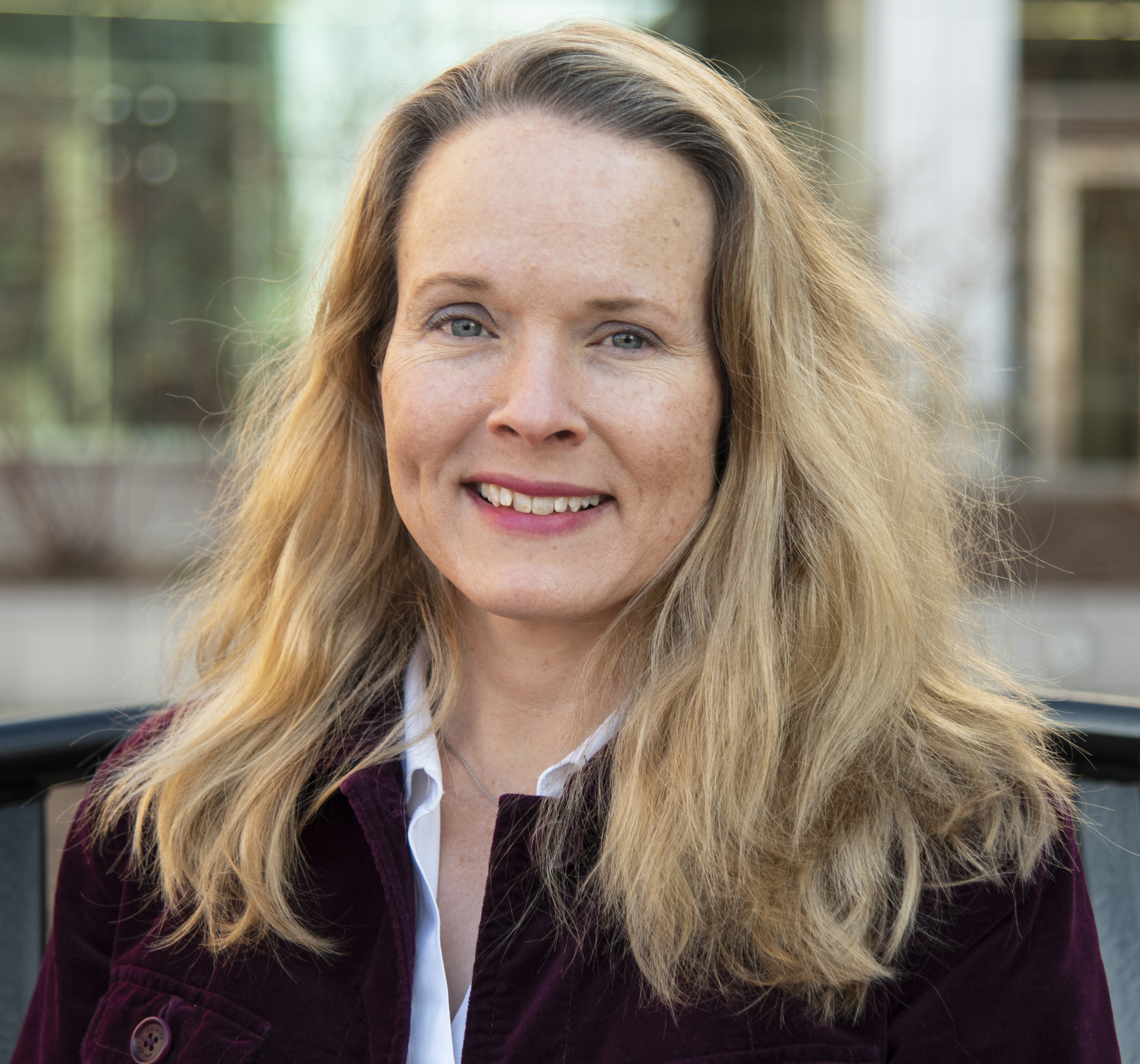 Elizabeth R. Wright, Henry A. Lardy Professor of Biochemistry, develops and applies cryo-electron microscopy and cryo-electron tomography to reveal the three-dimensional structures of viruses, cells, and molecular machines in their native environments. Her research has uncovered fundamental mechanisms of viral infection, cellular organization, and protein assembly while advancing technologies that have transformed in situ structural biology. Wright founded and directs UW–Madison’s Cryo-EM Research Center and the NIH-supported Midwest Center for Cryo-Electron Tomography, establishing the university as a global leader in advanced structural imaging, technology innovation, and scientific training.