
UW Distinguished Research Fellows Program is in full swing
By Chloe Larsh, administrative assistant, RISE Collaboration HQs
The 11 postdoctoral trainees in the UW Distinguished Research Fellows Program (UW DRFP) are off to a strong start. Launched in January 2025 by the Office of the Vice Chancellor for Research, this program supports emerging scholars whose interdisciplinary research is related to the three RISE focus areas: AI, sustainability and health.
UW DRFP, which is supported by the Wisconsin Alumni Research Foundation, draws on one of UW–Madison’s greatest strengths: mentorship. With support from their faculty mentors, the trainees focus on collaborative research, identifying synergies across disciplines and posing new research questions that address complex topics facing society. Six of the fellows provided updates on their research.
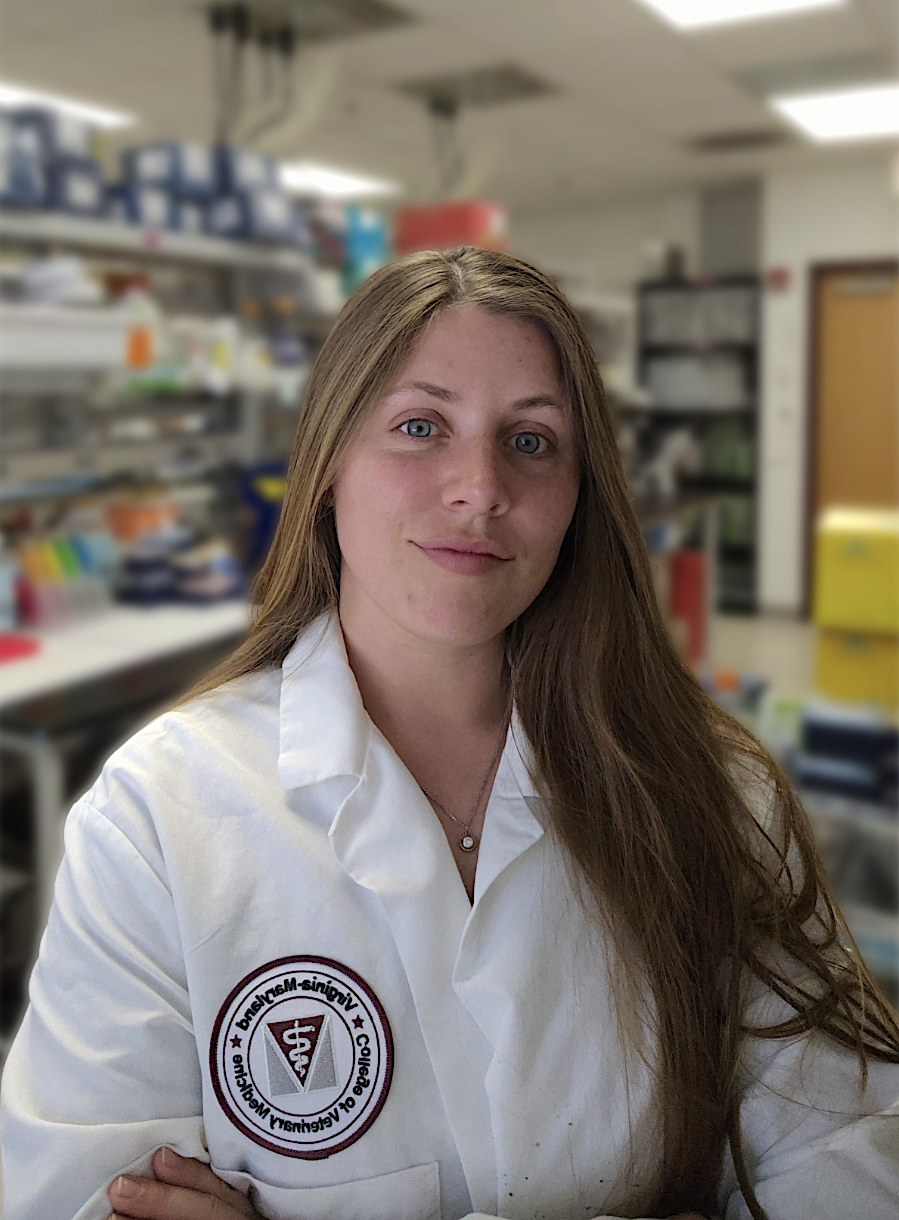 Morgen VanderGiessen, PhD from Virginia Polytechnic Institute and State University (VirginiaTech), Biomedical and Veterinary Sciences through the Infectious Disease Interdisciplinary Graduate Education Program
Morgen VanderGiessen describes her experience as a UW DRF in three words: innovative, insightful and translational.
“The Distinguished Research Fellowship has provided the flexibility to pursue ambitious projects at the intersection of virology, neuroscience and regenerative medicine while connecting with outstanding researchers across disciplines,” she says.
VanderGiessen’s mentors are Darcie Moore, associate professor of neuroscience, and Thomas Friedrich, professor of pathobiological sciences. VanderGiessen has worked with them to investigate the role of vimentin, a type of protein found in cells, in Zika virus (ZIKV) infection of neural stem cells. Moore reports that VanderGiessen has established all regulatory requirements to work with Zika virus in the lab and obtained exciting data, positioning the lab to submit a R21 proposal for federal funding.
“Being able to develop a novel project in a lab and merging two different scientific fields, as in Morgen’s project, requires someone with enormous dedication, drive and talent. It also requires funding that can support the time needed to develop something new,” says Moore. “I’m incredibly grateful that this program has supported this opportunity for me to bring in an exceptionally talented individual to open up a new area of research in my lab.”
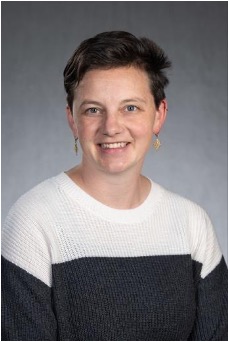 Dana Johnson, PhD from UW–Madison, Soil and Environmental Sciences,
“My postdoctoral research focuses on the effects of agrivoltaics (the pairing of energy and agricultural production on the same piece of land) on soil properties, such as soil moisture, temperature, pH, total C and N concentration, and microbial activity, and the ways in which these properties may affect carbon accrual over time,” says Johnson.
Johnson is grateful to the UW DFR program for allowing her to expand both her research network and skill set. Through this program, Johnson has engaged in interdisciplinary research with farmers, energy company representatives and conservationists. Discussions with these stakeholders have helped her better understand her own research through the lenses of economic, social and environmental impacts of solar energy production.
Christopher Kucharik, RISE-EARTH HQ lead and professor of plant and agroecosystem sciences, serves as Johnson’s primary mentor for the UW DRFP and as a co-PI on Johnson’s UW Research Forward project team for agrivoltaics. Andrea Hicks, professor of civil and environmental engineering, also provides mentoring for Johnson.
Kucharik says Johnson’s work fills a gap in their Research Forward proposal, “Agrivoltaics: Finding Win-Win-Win Solutions for Food, Energy and the Environment by Combining Agriculture and Solar Power Production.” The goal is to advance the team’s understanding of how agrivoltaics may contribute to changes in microbial biomass and diversity, and how carbon and nitrogen cycling might respond to this new type of agricultural land management.
“The UW DRF program is unique because the fellows approached potential mentors and asked if they would be interested in supporting their proposed interdisciplinary research,” says Kucharik. “It has been rewarding to be pulled into new research being led by a young scientist and to have the opportunity to engage with faculty in other disciplines.”
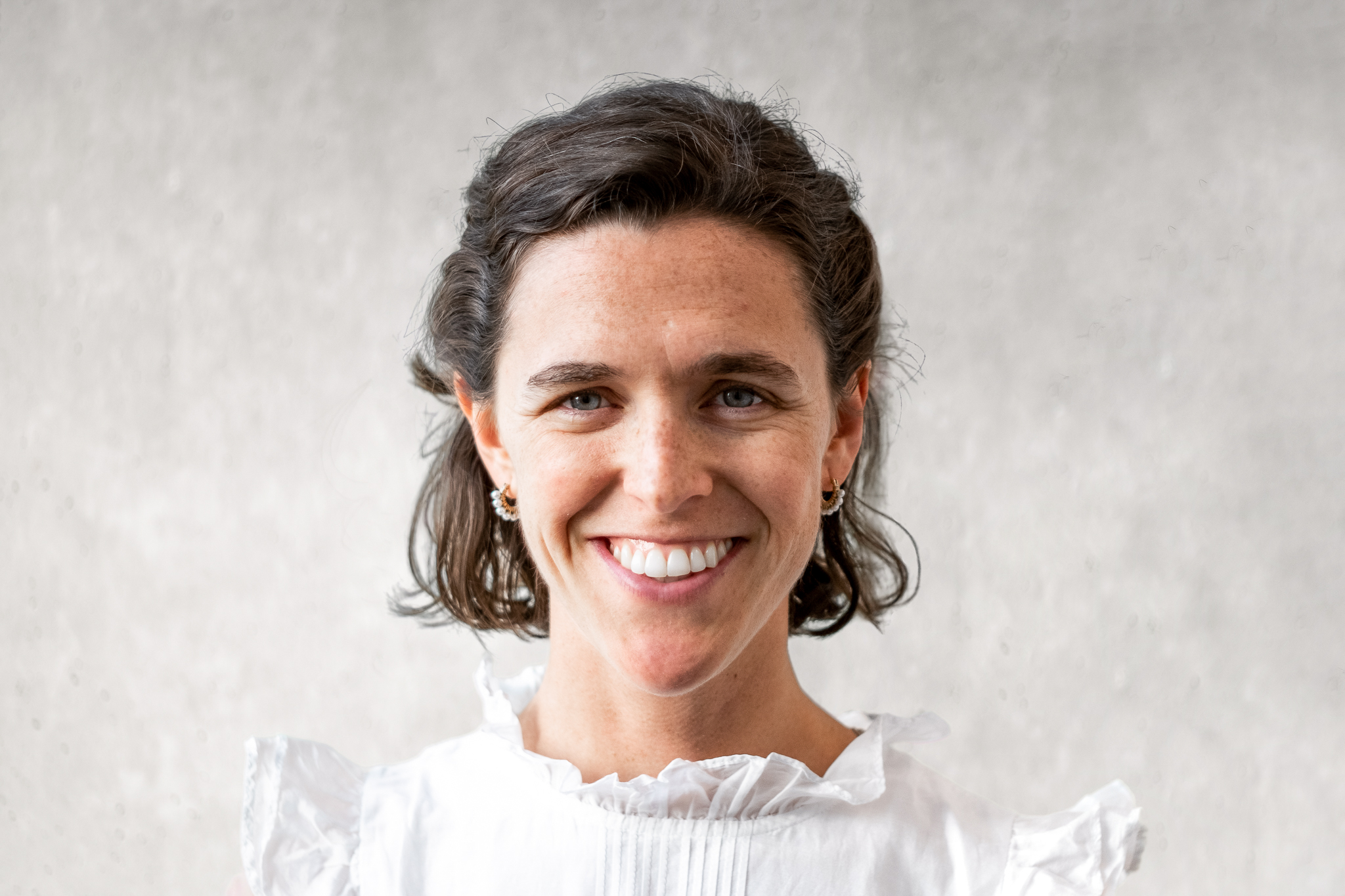 Candeleria Bergero, PhD from the University of California, Irvine, Earth System Science
Candeleria Bergero enjoys the freedom to pursue research that she is passionate about as a UW DRF, as well as thoughtful and productive exchanges with her mentors.
She notes that the UW DRFP has provided her with both faculty mentors and the opportunity to mentor students assisting on her project.
“It has been a great way to develop my mentoring skills while advancing the research,” says Bergero.
Bergero’s UW DRFP mentors are Morgan Edwards, assistant professor of public affairs, and Corbett Grainger, professor of agriculture and applied economics. Having co-mentors from different fields has pushed Bergero to do field-spanning work that she says neither discipline could produce alone.
Edwards referred to Bergero as an “all-star” whose exploration of complex topics such as the employment effects of energy transitions has expanded the scope of their research.
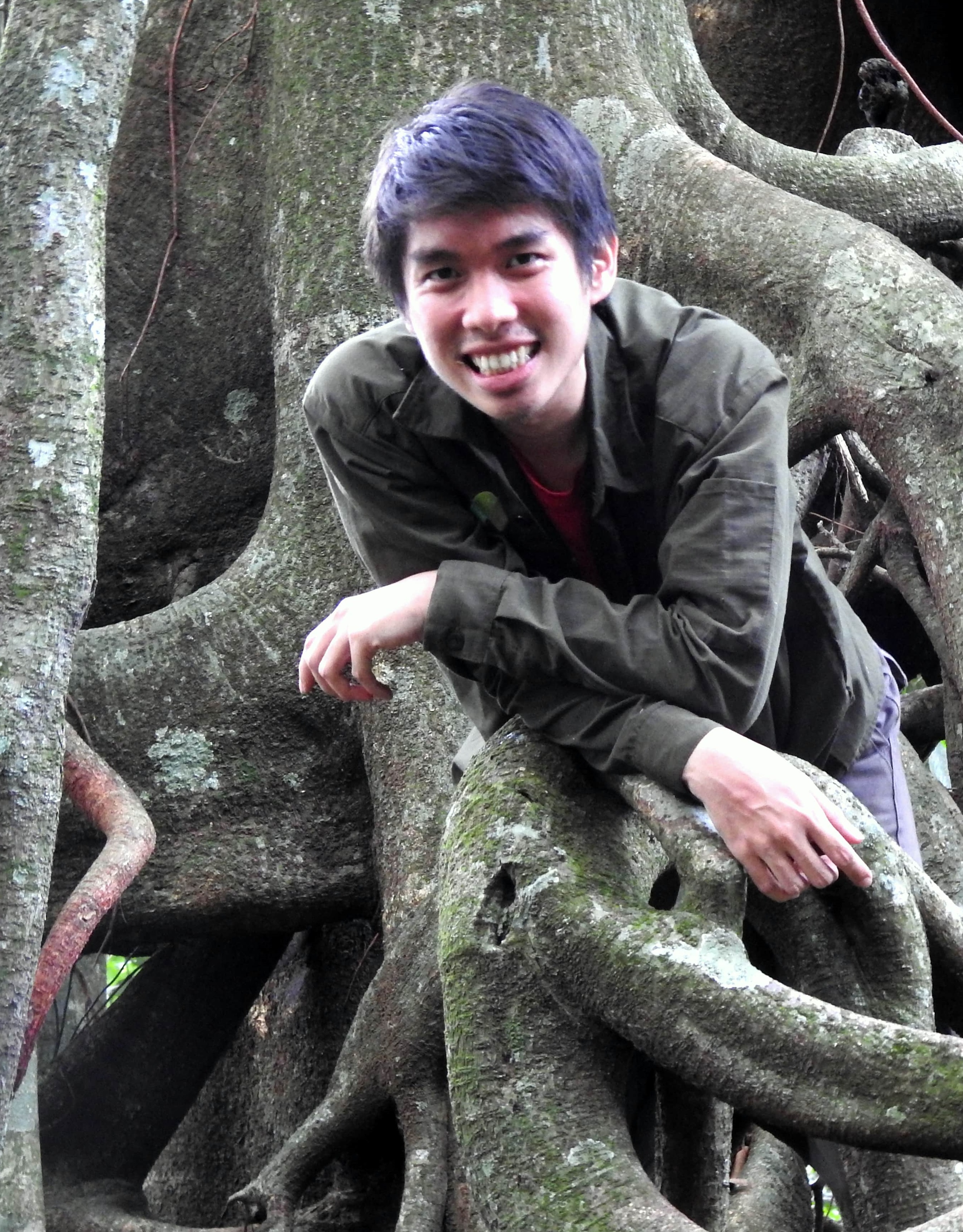 Ardiantiono, PhD from the University of Kent (UK), Durrell Institute of Conservation and Ecology
Ardiantiono’s research analyzes how natural climate solutions, such as voluntary carbon market programs, can provide meaningful biodiversity benefits.
During a recent field expedition in Borneo, Ardiantiono tested bioacoustic recorders in tropical peat swamp forests, which Ardiantiono describes as “a remarkable ecosystem that stores vast amounts of carbon and supports rich and unique biodiversity.”
Ardiantiono’s mentors are Zuzana Burivalova, associate professor of forest and wildlife ecology, and Song Gao, associate professor of geography. Gao notes their team is particularly interested in how multimodal sensing data can support biodiversity conservation. This work benefits from the team’s collective expertise in ecology, geospatial data science and artificial intelligence.
Mentorship through UW DRFP has been invaluable for Ardiantiono, allowing them to develop technical expertise and research perspectives while preparing for future research and career endeavors.
“Over the past year, I have most enjoyed the opportunity to work with outstanding researchers at UW–Madison while learning new skills in bioacoustic analysis and multimodal data integration from my mentors and collaborators,” says Ardiantiono.
Gao says, “Seeing the postdoctoral trainees grow academically and prepare well for a bright future career is very rewarding.”
 Grant Nickles, PhD from UW–Madison, Medical Microbiology and Immunology
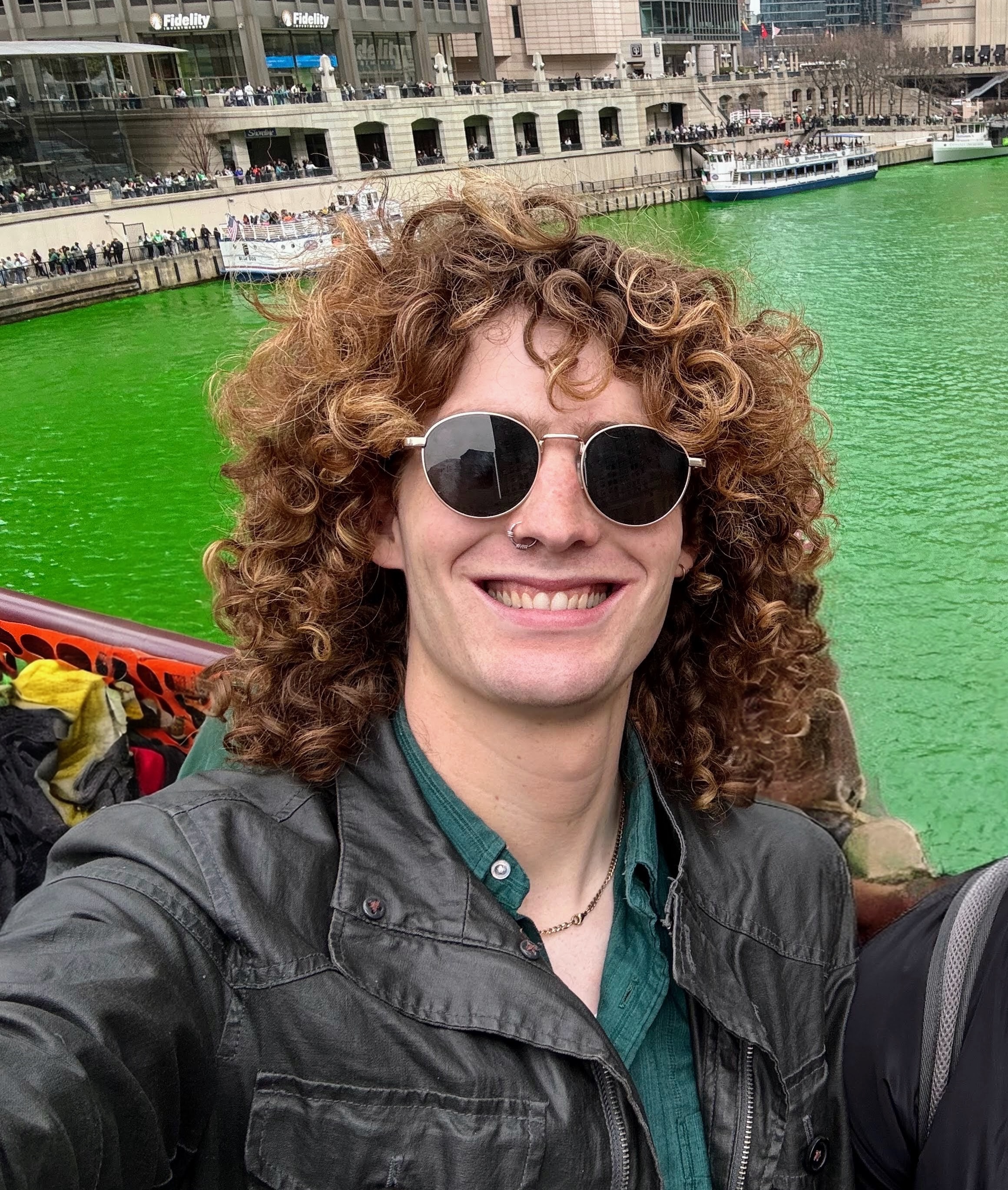
As a UW DRF, Grant Nickles created ResearchOS, an open-source company whose first product is a free electronic lab notebook. UW DRFP has influenced Nickles’s research direction and his use of AI, both for creating open-source software and in the day-to-day workflows it supports.
Through ResearchOS, Nickles is addressing a challenge commonly faced by research labs: the high cost of licensed software. The company builds open-source, low-cost alternatives to such software platforms.
Emile Gluck-Thaler, assistant professor of plant pathology, and Joshua Coon, professor of biomolecular chemistry, are Nickles’s UW DRFP mentors.
“The UW DRF(P) is a great boost to my program because it has provided the means and opportunity for Grant, a brilliant young scientist, to help establish and lead my group in a new and exciting research direction,” says Gluck-Thaler. “Grant is one of those rare researchers who not only gets excited about his own science but also gets excited about other people’s work and helps them make it stronger. Because of this, my entire lab has benefited from him being here.”
 Ari Grele, PhD from the University of Nevada, Reno (UNR), Ecology, Evolution & Conservation Biology
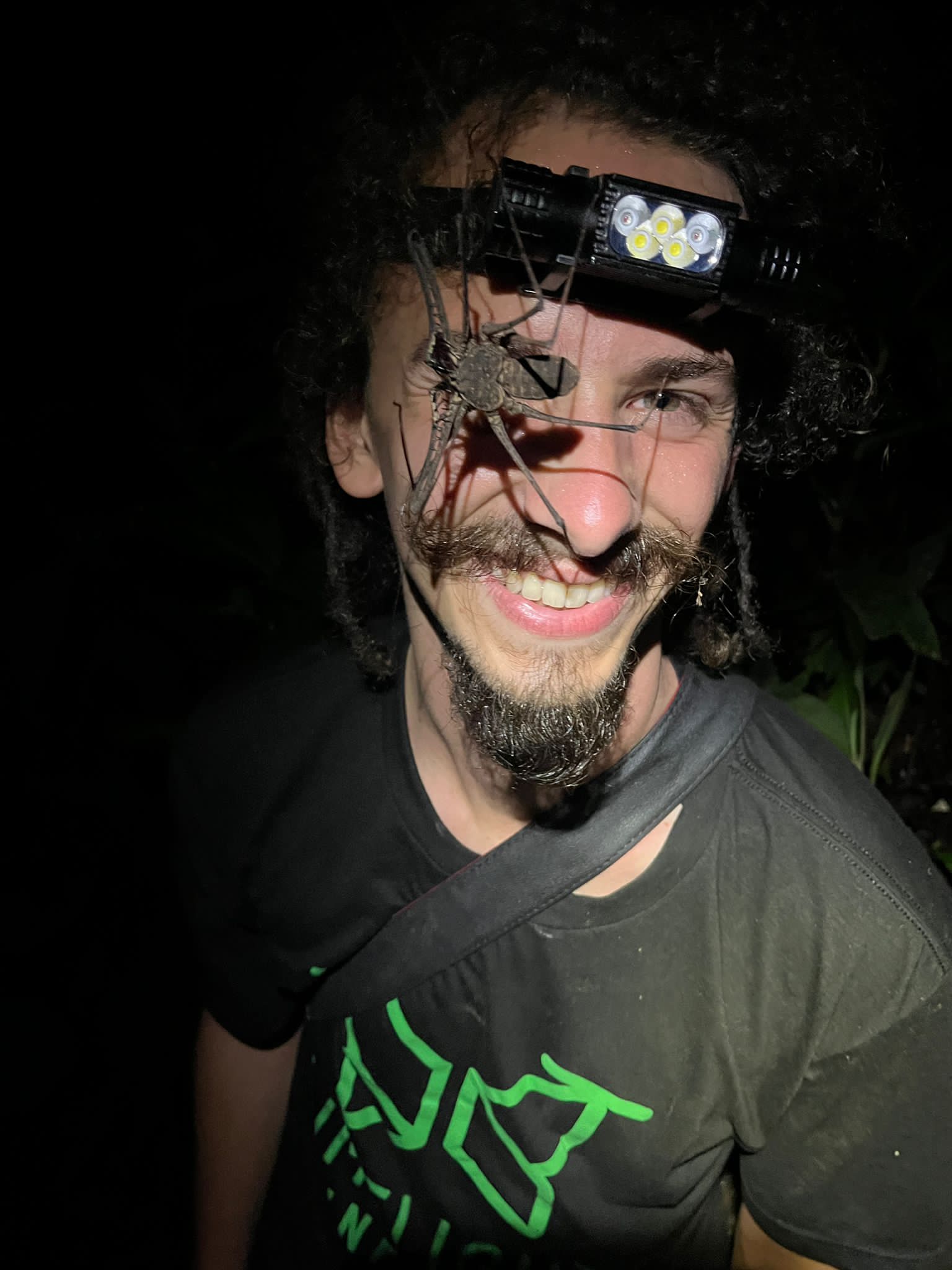
Ari Grele is currently running an experiment at the UW Arboretum examining how the diversity of floral scents produced by plants affects the diversity of interactions they form with pollinators.
“The experiment will run through September and aims to show how interaction networks formed by individual plants shape species and community-level pollinator networks,” says Grele.
Grele’s work spans a range of disciplines and applications, from basic field biology to analytical chemistry and hardware fabrication and programming. Previously, Grele conducted manipulative drought experiments to determine how floral scents are affected by changes in water availability and led pilot tests to develop low-cost sensors for field measurements. Grele’s mentors are James Crall, assistant professor of entomology, and Joshua San Miguel, associate professor of electrical and computer engineering.
“Beyond his own research, Ari has brought creative insights that have helped inspire new research directions and approaches for other members of my lab,” says Crall.
Crall has enjoyed watching Grele expand his research horizons and make interdisciplinary connections that are necessary for addressing the most pressing challenges in biodiversity.
###