Campus research events June 2026 issue
Posted June 3, 2026
UW–Madison to host largest gathering of chemistry educators in the world – July 26-30
The University of Wisconsin–Madison will host the 29th Biennial Conference on Chemical Education, or BCCE, July 26–30, 2026, bringing the largest gathering of chemistry educators in the world to campus for the first time in 50 years.
Sponsored by the Division of Chemical Education of the American Chemical Society, BCCE 2026 will welcome chemistry educators, researchers, graduate students, K–12 teachers, industry partners, and educational leaders from across the globe to UW–Madison’s lakeside campus for five days of symposia, workshops, poster sessions, exhibits, and conversations focused on teaching, learning, and research in chemistry education.
“UW–Madison has long played a leadership role in education research, including chemical education,” says Interim Chancellor Eric M. Wilcots. “This conference gives us another ideal opportunity to bring our scholarship to others to strengthen communities and change lives, staying true to the Wisconsin Idea.”
The conference theme, “Reflecting Back, Marching Forward,” carries special resonance in Madison, where BCCE returns to UW–Madison after five decades.
Learn more about the conference and schedule of events.
Interactive PFAS Workshop – 2 to 4 p.m. Sept. 16
You are invited to participate in a research collaboration event held by the new UW–Madison PFAS Working Group. This interactive workshop will bring together faculty and research staff engaged in PFAS-related research, policy, technology, community engagement, and funding opportunities to build connections, share expertise, and explore opportunities for future collaboration.
This session is intentionally structured to move toward connection and action.
Participants will have opportunities to:
- Meet new colleagues working on PFAS from different perspectives
- Identify potential collaborators for upcoming projects or proposals
- Learn about current federal, state, and community‑focused PFAS funding opportunities
- Gain new insight into PFAS research, technology, or policy developments
- Help shape the purpose, priorities, and future direction of the PFAS Working Group
The workshop will combine short framing overviews with facilitated networking and small‑group rotations based on shared interests. Together, we will surface interdisciplinary project ideas, identify gaps and opportunities, and discuss what the PFAS Working Group could do to meaningfully support and align work across campus.
Workshop details
Date: September 16
Time: 2:00–4:00 pm
Location: Union South, Varsity Hall I
If you are interested in building connections, responding more effectively to funding opportunities, or helping shape how PFAS work is coordinated going forward, we encourage you to join us at this event.
Register Today!
Additional information about the PFAS Working Group can be found here:
https://aqua.wisc.edu/pfas-working-group/
Waisman Whirl Run, Walk & Roll for All Abilities 2026 – 9-11 a.m. Sept. 26
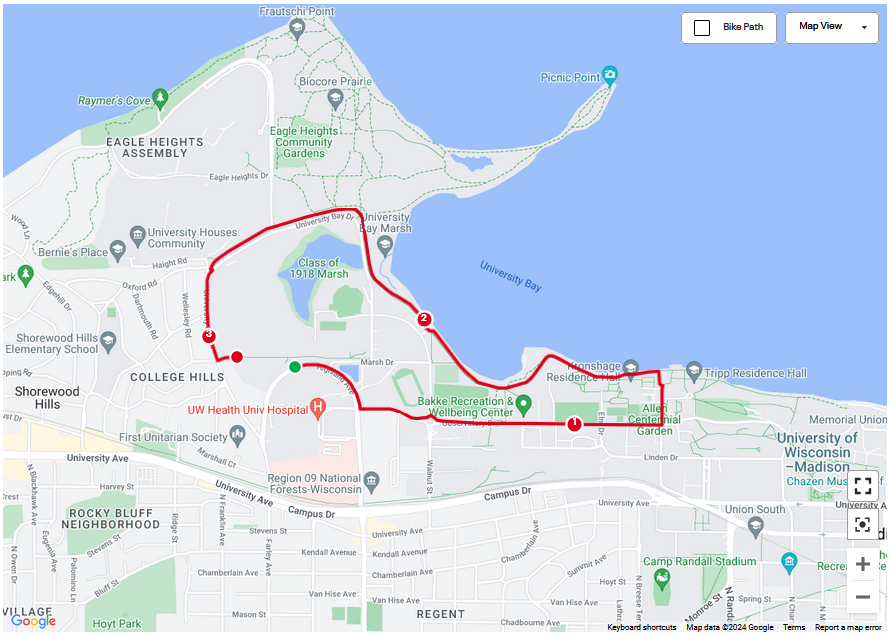
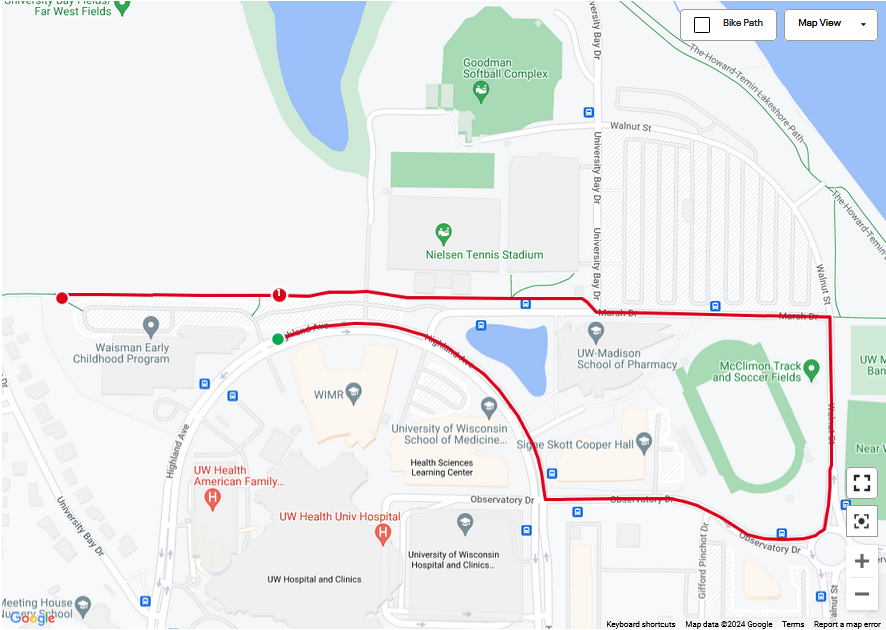
Waisman Center, North Parking Lot
Registration is now open!
Click here to register
Get your shoes and wheels ready for the 2025 Waisman Whirl Run, Walk & Roll.
Join us for the 12th annual Waisman Whirl Run, Walk, & Roll for All Abilities
5k run, walk or roll, and 1 mile walk or roll courses
Proceeds benefit individuals and families affected by developmental disabilities and neurodegenerative diseases.
UW–Madison hosts BINA imaging meeting-I2KxBINA 2026: Cultivating the Multiscale Imaging Frontier – Sept. 28-Oct.
Early Bird Registration has been extended! New Deadline: June 22.
This year our BINA’s 2026 Community Congress will be held jointly with Images 2 Knowledge (I2K). I2K brings together developers, researchers, and students from around the world working in computational image analysis. As life science studies increasingly rely on microscopy images, the ability to perform quantitative analysis on these data is a critical skill. Over the years, the I2K Conference has become a flagship event for scientists eager to explore interactive tutorials and cutting-edge open-source solutions for biological image reconstruction and analysis.
I2KxBINA 2026 will build on this tradition, combining scientific talks with hands-on, vendor-led workshops where participants can directly engage with the latest imaging technologies, software platforms, and analytical tools. Attendees will have the opportunity to learn new techniques, troubleshoot challenges in real time, and connect with experts from both academia and industry. These back-to-back events bring the imaging community together to share knowledge, foster collaborations, and advance the frontier of multiscale imaging.